
Turkish confectionery, lokum, Dubai-style bars and dragées for importers and wholesalers in Armenia
One mixed container from Gaziantep, Türkiye, into Armenia: lokum plain and with whole pistachio, pistachio and kadayıf bars, chocolate dragées and sugared almonds by colour, jellies in bulk cartons and pistachio spread — with the label content prepared in Armenian and the minimum counted per line.
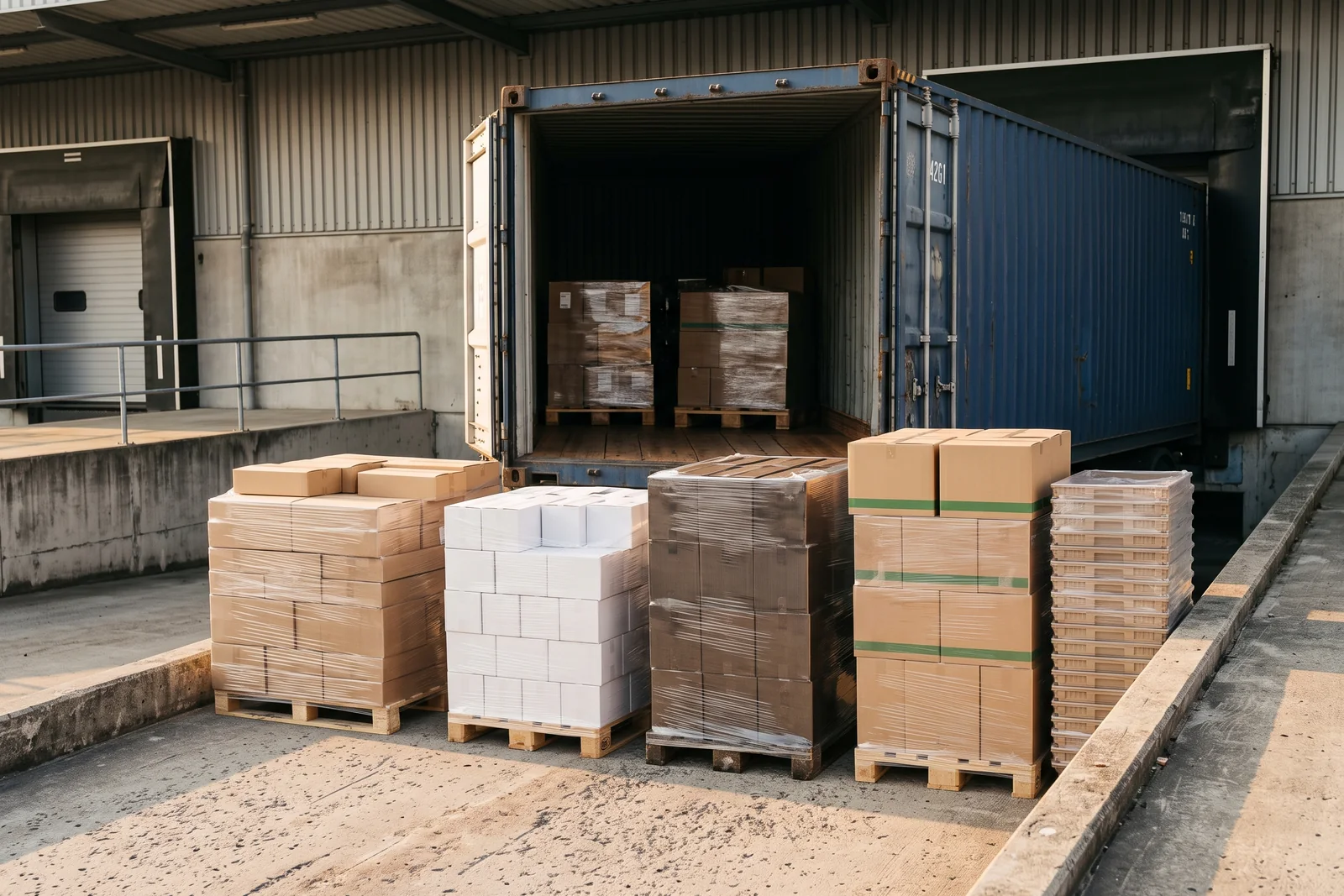
One container, every line, from Gaziantep.
Armenia imported around ninety-one million dollars of chocolate and twenty-seven million dollars of sugar confectionery in the most recent full year, most of it from Russia. Türkiye appears in both tables — seventh in chocolate and fifth in confectionery, together a little over two million dollars.
That figure is worth a sentence of explanation, because Türkiye's own export statistics do not show it. The land border between the two countries is closed, so goods of Turkish origin reach Armenia through third countries and are recorded against the transit country on the way out. The Armenian import figures are the ones that describe this market; the Turkish export figures do not.
For a buyer, the practical consequence is routing rather than product. The lines are the same ones the rest of the region takes — lokum at the pistachio end, kadayıf-wrapped items, dragées by colour — and the offer states the routing and what applies on the day for the order in hand.
We supply direct from our own factory in Gaziantep, the city we work in.
- Food importers and distributors that clear their own entries and supply retail chains and specialist shops.
- Քաղցրավենիք wholesalers and cash-and-carry buying by the carton, with bulk jellies and dragées for the weighed counter.
- Oriental-sweets and dried-fruit shops, a channel with its own established trade in the region.
- Wedding and gift suppliers buying sugared almonds and dragées by colour and calibre.
- Armenian brands and retailers that want the same lines under their own name — the route is set out on the private label page.
Six lines, mixed to your list.
Each line travels on its own pallet; the container is mixed. Outside the core range we source on request and load it in the same shipment.
From your list to your port.
- 01
Your list
Product references, quantities and the destination port.
- 02
Written offer
Every line priced, with the pallet plan, within two working days.
- 03
Samples and proforma
Free samples, courier at your cost; 50% with the order.
- 04
One container
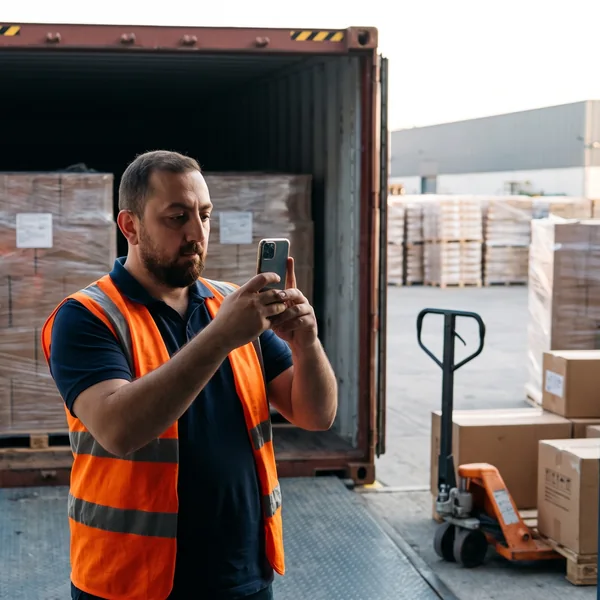
Collected, consolidated, photographed pallet by pallet, shipped.
What stays the same on every offer.
Rates and rules change; the quotation states what applies on the day. These points do not change.
- Entry and the framework
- Armenia is a member of the Eurasian Economic Union, so imported food meets the Union's technical regulations on food safety and on labelling, and carries the EAC conformity mark. The declaration of conformity is held on the importing side. We supply the ground for it per line — our technical data sheet, the ingredient list and allergens, net weight and the customs tariff heading. Rates and lists change; the offer states what applies on the day.
- The label is Armenian
- The mandatory particulars are in Armenian, in the Armenian script, and the company that first places the goods on the market is named on the pack. We prepare the content from our technical data sheet; your labelling office or your own team signs it off.
- Routing, stated in the offer
- The land border between Türkiye and Armenia is closed, so a shipment travels through a third country. That is a routing question rather than a product one, and it is answered in the offer for the order in hand — the route, the transit time and the documents that travel with the load.
- What the import figures show
- Türkiye is the seventh source of chocolate and the fifth of sugar confectionery here. Turkish export statistics record these shipments against the transit country rather than Armenia, which is why the two sets of figures do not agree. We use the Armenian import figures because they describe the shelf.
- Where the Turkish lines fit
- Not at the cheapest tier — that is held by suppliers with a shorter and simpler route. The lines that earn a listing are the ones built on pistachio and kadayıf: whole-pistachio and double-roasted lokum, kadayıf-wrapped items, the Dubai-style bar, and dragées sorted by colour and calibre.
- Who the label names
- The address on the pack is yours, not ours. Certificates — food safety, halal and kosher — are held for our factory; copies are available on request. A line without a certificate is named as such.
- Coating and what may be called chocolate
- A vegetable-fat glaze may not be labelled chocolate in the EU. Some lines carry a cocoa glaze and some carry real chocolate, and the difference is invisible in a photograph. We state which it is per line and the technical data sheet says so before anything goes to print.
- Temperature and the season
- Chocolate and chocolate-coated lines travel at +18/+20 °C. For a mixed container in the warm months we offer a reefer; if you prefer a dry container the temperature risk passes to you, in writing, before loading. Lokum, sugared almonds and jellies travel dry all year, so the offer states the regime per group rather than for the load as a whole.
- Halal and kosher
- We name the issuing body and the scheme per line, and the copy is available on request. The certificate is held for our factory. A line without one is named as such rather than covered by a general claim.
- Outside the range
- Couverture, bulk chocolate by the kilo, raw nuts, dried fruit, cocoa, empty packaging, baklava, halva and tahini sit outside our standing range. They are sourced on request: we take your specification to production, confirm composition and format, and come back with what can actually be supplied — or a clear no. Either answer comes in writing within two working days.
Private label chocolate and confectionery for Armenian brands
The same lines under your own name, with the label content prepared in Armenian from our technical data sheet, and minimums stated per line.
Private label for Armenian brands →Asked before the first list.
Do you work with importers and wholesalers in Armenia?
Yes — food importers and distributors, քաղցրավենիք wholesalers and cash-and-carry, oriental-sweets shops, gift suppliers, and Armenian brands wanting their own label.
How does a shipment reach Armenia?
Through a third country, because the land border with Türkiye is closed. It is a routing question rather than a product one: the offer states the route, the transit time and the documents that travel with the load.
Where does Türkiye sit in Armenian imports?
Seventh in chocolate and fifth in sugar confectionery on Armenia's own import figures. Turkish export statistics record these shipments against the transit country, which is why the two sets of figures do not agree; we use the Armenian ones.
What does the EAC mark mean for us?
Armenia is in the Eurasian Economic Union, so imported food meets the Union's technical regulations on food safety and labelling and carries the EAC mark; the declaration is held on the importing side. From our side the technical data sheet, ingredient list and allergens, net weight and tariff heading travel per line.
Do you supply baklava, tahini or halva?
Not as part of the standing range. They are sourced on request: we confirm composition and format before quoting.
How does the load travel in summer?
Chocolate and chocolate-coated lines travel at +18/+20 °C. In the warm months we offer a reefer; with a dry container the temperature risk passes to the buyer, in writing, before loading. Lokum, sugared almonds and jellies travel dry all year.
What is the minimum and how is it paid?
The sales unit is a full container or trailer and we do not ship partial loads, but the minimum is counted per line, so one load can carry six or seven lines in modest quantities. Payment is half with the order and half before the container leaves, against loading photographs.
Is Antep Foods a chocolate manufacturer in Türkiye?
Yes. Antep Foods is a manufacturer and exporter in Gaziantep, exporting since 2002. Production takes place in our own factory; certificates and data sheets are issued for our factory. Wholesale only; prices come in a written offer, not on the site.
Send the list. We do the rest.
Send your product list with approximate quantities and the destination port. You get one offer covering every line, then one container, loaded and photographed before the doors close.
 Mixed containerHow a list becomes a container →