
Turkish chocolate, dragées, Turkish delight and confectionery for importers in the Democratic Republic of the Congo
One mixed container from Gaziantep: chocolate, dragées, Turkish delight, wrapped confectionery and spreads in jars, with the label content prepared in French and the route — port of discharge, delivery term, document set — named in the offer rather than assumed. Written offer in US dollars within two working days of your list.
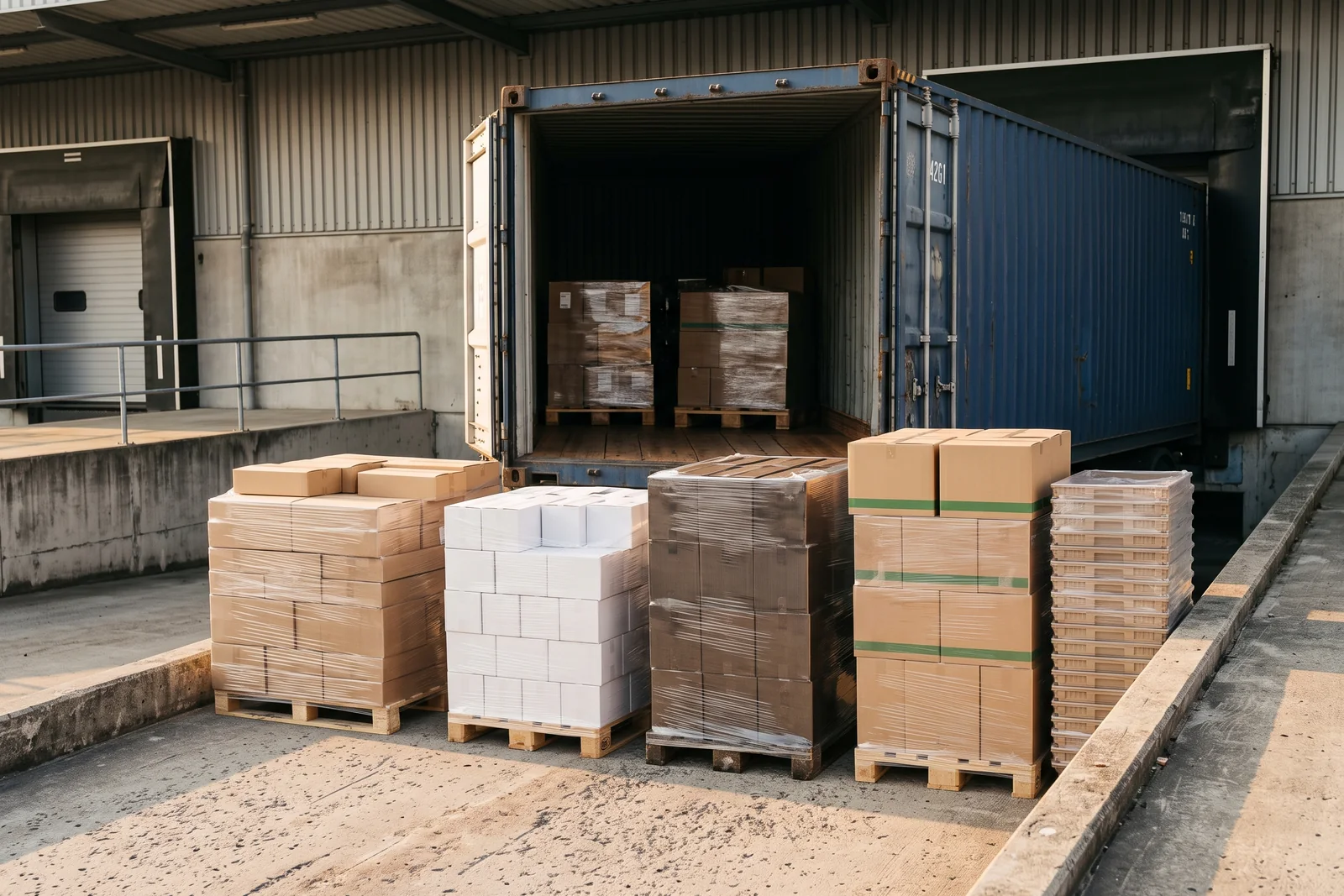
One container, every line, from Gaziantep.
This page is for a buyer in the Democratic Republic of the Congo who already knows what sells on their shelf and wants to know what an offer from Gaziantep looks like before spending an hour on it. We are a manufacturer and exporter. The chocolate, dragée, Turkish delight and confectionery lines are made in our own factory in Gaziantep, Türkiye. The unit of sale is one full container, mixed across as many lines as you like, which is what makes a first order possible without committing a whole box to a single item.
There are two confectionery columns in this market and they do not behave alike. On the only figures available — mirror figures, explained below — the 2024 chocolate column is about 12,427,589 US dollars, and Türkiye is already inside it, fourth at roughly 9.15 per cent, behind Zambia at 25.4, Belgium at 16.0 and South Africa at 12.8. The sugar confectionery column is much the larger of the two, about 55,242,642 US dollars, and there Türkiye sits twelfth at roughly 0.23 per cent, with Zambia at 41.6, India at 19.3 and Kenya at 17.6 ahead of it. Read plainly, that means one shelf where Turkish product is an established option a buyer can already check for themselves, and one much bigger shelf where it is very nearly absent. We are not going to convert the second figure into a growth story. It is the honest starting point, and it decides what this page can usefully offer: on hard sweets, toffees, jellies and chewy lines you would be putting us beside a supply route you already have, not filling an empty space.
The search side offers nothing to build on, and we would rather say so than dress it up. Counting real local search over two rounds, English produced 820 raw phrases of which 11 cleared a twenty-a-month threshold, together worth about 850 searches a month; French produced 781 raw phrases of which 10 cleared it, worth about 560 a month. The wholesale, import and distributor part of both counts is zero. Autocomplete, which costs nothing to run, returned 100 suggestions from 10 English seeds and 64 from 8 French ones, and not one of them was looking for a supplier either. So this page is not written to be found. It is written for a buyer who arrived by referral, by a trade contact or by a message, and who wants the tedious part answered in advance: what we make, what we plainly do not, how the label and the file are handled, and how much of the deal exists on paper before money moves.
We supply direct from our own factory in Gaziantep, the city we work in.
- Food importers and distributors supplying supermarkets, groceries and regional wholesalers, and wanting one supplier for chocolate, dragées, Turkish delight and wrapped confectionery instead of a separate one for each
- Confectionery wholesalers buying by the carton and by the kilo, with case weight, lead time and delivery term stated per line so the inland leg can be planned rather than discovered on arrival
- The wedding and occasion trade — the one part of this market where local search actually shows demand — buying sugared almonds, chocolate dragées in occasion colours, printed retail boxes and mini-bar assortments
- Bakeries, pastry counters and sweet shops that sell Turkish delight, coated nuts and wrapped confectionery beside their own production, and buy finished lines rather than ingredients
- Brands, retail chains and distributors that want a tablet, a bar, a dragée doypack or a Turkish delight box made under their own name rather than someone else's wrapper
Six lines, mixed to your list.
Each line travels on its own pallet; the container is mixed. Outside the core range we source on request and load it in the same shipment.
From your list to your port.
- 01
Your list
Product references, quantities and the destination port.
- 02
Written offer
Every line priced, with the pallet plan, within two working days.
- 03
Samples and proforma
Free samples, courier at your cost; 50% with the order.
- 04
One container
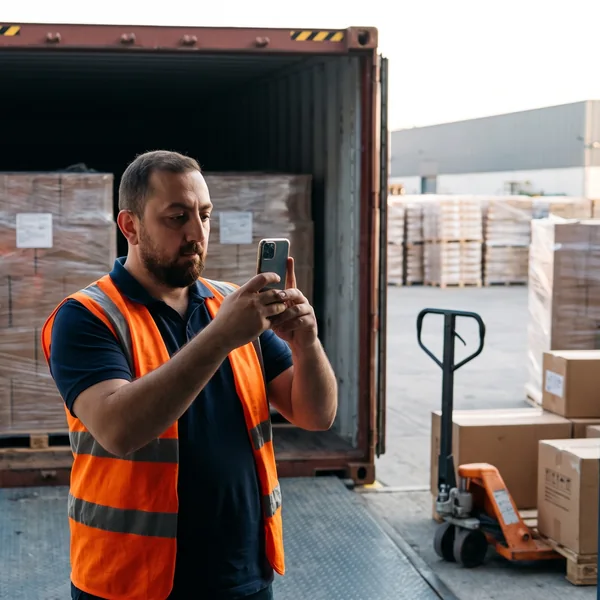
Collected, consolidated, photographed pallet by pallet, shipped.
What stays the same on every offer.
Rates and rules change; the quotation states what applies on the day. These points do not change.
- What the mirror figures say — and what they do not
- This country does not report its own import statistics to the international trade database. The only view available is the mirror: what every other country recorded as exports to it, added together. On 2024 mirror data that is about 12,427,589 US dollars of chocolate, with Türkiye fourth at roughly 9.15 per cent, and about 55,242,642 US dollars of sugar confectionery, with Türkiye twelfth at roughly 0.23 per cent. Read it as a direction, not as a settled number. A partner that reports late, partially or not at all moves every share in that table, and nobody outside the customs houses knows by how much. There is a second limit worth naming: a mirror table records the country that declared the export, which is where a consignment was dispatched from and not always where it was made. We publish the figures because they change what this page can honestly claim, not because they are exact.
- Two columns, two different conversations
- On chocolate, Türkiye is fourth at roughly 9.15 per cent. Origin is not the open question there; the open questions are which line out of a wide range, in which format and case weight, under whose label, and how much of it is written down. On sugar confectionery, Türkiye is twelfth at roughly 0.23 per cent, and we will not pretend that is a foothold. In that column we are the new option rather than the familiar one, and the sensible way to test a new option is a few pallets inside a container that is otherwise filled with lines you already sell. That is the main practical reason we sell by the mixed container and not by the single product.
- Where this shelf is dispatched from
- The source table is mostly a map of the region rather than a map of factories. A neighbouring country heads both columns — roughly 25.4 per cent of the chocolate and 41.6 per cent of the sugar confectionery — with Kenya at 17.6 and South Africa at 12.8 also inside the top three of one column or the other. The two distant entries are Belgium at 16.0 in chocolate and India at 19.3 in confectionery. Since a mirror table records the country that declared the export, a regional neighbour at the top of a column usually means the goods changed hands at least once before they crossed the border. That is not a complaint about anyone: it is a description of a chain. Your shelf is not empty and we are not going to tell you it is. What a source closer to the producer changes is the number of hands between the factory and your warehouse, whether the format and the case weight are yours to choose or somebody else's to decide for you, and whether the lead time is something you can plan against.
- Route, delivery terms and the heat
- Delivery terms quoted are FCA Gaziantep, FOB Mersin, CIF or DAP. Our factory is in Gaziantep and Mersin port is about three hours away by road, so the part of the journey we control is short and predictable. The part after the port is the part that has to be agreed rather than assumed, and the offer names the delivery term, the port of discharge we are quoting against, and the point where our responsibility ends and yours begins; your clearing agent confirms what applies on the day. Temperature is planned in the same breath. Chocolate and chocolate-coated lines are quoted in a reefer through the warm months. Turkish delight, dragées, hard and chewy confectionery and jellies travel dry and take a long journey better, and dry and chilled lines can still share one container. If the inland leg falls in your hottest weeks, say so before we quote and we build the mix around it instead of explaining it afterwards.
- Label, in French
- The mandatory information in French, with English alongside where your file or the shelf wants it: the name of the food, the ingredient list with allergens, metric net weight, storage conditions, the importer's name and address, and the date marking. For lines in our standard packs we confirm what the export pack already carries; for own-label lines we prepare the content from our technical data sheet and check your artwork before anything is printed. One discipline we do not bend: a line coated in vegetable fat is named a compound or a glaze on the data sheet, on the pack and in the price list, never chocolate. European labelling rules forbid calling it chocolate, and we keep the two words apart everywhere, including on a pack that will never see Europe, because a buyer who discovers the difference at the shelf discovers it too late.
- The customs file, and what the importer holds
- This file is national. The origin document and the rules that apply are named in the offer, and the offer states what applies on the day rather than this page guessing at it — regional arrangements change, and a figure printed on a web page is out of date before it is read. From our side you receive the technical data sheet per product, our certificates and the analysis report per line. Certificates are issued for our factory; we name the certifying body and send copies on request instead of describing a document we do not hold. Lines with ingredients of animal origin, gelatine in jellies above all, travel with our halal certificate and the offer names the certifying body per line. The importer holds the registration, files the consignment and instructs the agent.
- Weddings, dragées and the calendar
- French is where the measured search actually names things we make. The largest single phrase, at roughly 320 searches a month, is about wedding guests; the word for dragée itself runs at about 40 a month and the wedding-dragée phrase at about 20, with a phrase about chocolate for the February gift season at about 30. These are small consumer-side numbers and we will not inflate them into a market, but they point at the part of the shelf that moves on a calendar rather than on a weekly reorder: sugared almonds and chocolate dragées in occasion colours, printed retail boxes and mini-bar assortments. A colour is a production run and not a stock pick, so the minimum per colour and the lead time are stated per line in the offer, and seasonal lines are quoted ahead of the season. Worth noting alongside it: the French word for Turkish delight appears in the same measured set at about 20 a month, which means boxed and kilo lokum needs no explaining at the counter here.
- Words that mean different things — name the format before we quote
- Three of the measured phrases are shelf words rather than products, and each of them would produce the wrong quotation if we guessed. The largest English phrase, at roughly 390 searches a month, is the word for éclairs: at a pastry counter it means one thing and on a wrapped confectionery shelf across much of this region it means another entirely, a filled chewy sweet sold by the kilo. Baklava turns up in the English count in three different spellings, each at about 70 a month, and baklava is outside what we make — see the note below. And a French phrase at about 30 a month asks for a chocolate bar in the style associated with Dubai, which is a format request rather than a defined recipe. In every one of these cases the answer is the same: tell us the format you mean — filled chew or wrapped toffee, sheet or cut cube, bar weight and filling — and we confirm which of our lines matches before quoting. If none does, it is sourced on request and handled the same way.
- Sourced on request
- The core range is chocolate, dragées, Turkish delight, wrapped confectionery and spreads in jars. Everything outside it is sourced on request rather than claimed: couverture and bulk chocolate by the kilo, raw nuts, dried fruit, cocoa, halva, tahini, baklava and empty packaging. We confirm composition and format before quoting, and if a line cannot be confirmed it does not go into the offer. This matters here because the measured English search leans that way: baklava in its several spellings, tahini at about 40 a month, and the words for the French bakery counter — a chocolate pastry and a croissant, each at about 40 a month — none of which is a line we produce. Fresh bakery is not something a container from Gaziantep can serve at all, and we say so rather than stretching the range to cover it. What is confirmed loads in the same container as the rest.
- Currency and payment
- Offers in US dollars. Bank transfer only: 50 per cent with the order, 50 per cent before the container leaves, against the loading photographs. The offer states the banking route that applies on the day, and it is settled in writing before production starts rather than after the pallets are wrapped.
Private label chocolate and confectionery for Congolese brands
On the chocolate shelf Turkish product is already an established option, so the wrapper is what is left to own; on the sugar confectionery shelf almost nothing arrives from our direction, so a brand entering there is not displacing an incumbent. We put our own lines under your name — tablets, bars, dragées in doypacks, gift boxes, Turkish delight and spreads in jars — with the label content prepared in French and nothing printed before you approve it.
Private label for Congolese brands →Asked before the first list.
Do you work with importers and wholesalers in the Democratic Republic of the Congo?
We are open to quoting for food importers, distributors, confectionery wholesalers, the wedding and occasion trade, bakeries and sweet counters, and own-brand buyers. Send the product references, the quantities you have in mind and the delivery point, and the written offer follows within two working days.
Turkish product is already fourth on the chocolate shelf here but barely present in sugar confectionery. So what are you actually proposing?
Two different things, and we would rather separate them than blur them. On chocolate, where Türkiye is at roughly 9.15 per cent, the question is not origin but which line, which format, whose label and what is written down. On sugar confectionery, where Türkiye is at roughly 0.23 per cent, we are the untried option, so the sensible first step is a few pallets inside a container mostly filled with lines you already move — not a shelf reset.
How reliable are the trade figures on this page?
Directionally useful, not exact, and we would rather you knew that from us. This country does not report its own imports to the international trade database, so the figures are mirror data: what every other country recorded as exports to it, added together. Late or partial reporting by any partner moves every share in that table, and a mirror entry records where a consignment was dispatched from rather than where it was made.
Which language does the label need?
French for the mandatory information, with English alongside where your file or the shelf wants it. For lines in our standard packs we confirm what the export pack already carries; for own-label lines we prepare the content from our technical data sheet and check your artwork before anything is printed.
Can you supply baklava, tahini, or bakery items such as a chocolate pastry or croissants?
Not from our own range, and the honest answer differs by item. Baklava, tahini, halva, cocoa, couverture, bulk chocolate by the kilo, raw nuts and dried fruit are sourced on request: we confirm composition and format before quoting. Fresh bakery is another matter entirely — a container shipped from Gaziantep cannot serve it, so we do not offer it at all.
Which delivery terms do you quote, and is the container a reefer?
FCA Gaziantep, FOB Mersin, CIF or DAP, with the port of discharge named in the offer; Mersin is about three hours from our factory by road. Chocolate and chocolate-coated lines are quoted in a reefer through the warm months, while Turkish delight, dragées and jellies travel dry, and both can travel in one container.
Is Antep Foods a chocolate manufacturer in Türkiye?
Yes. Antep Foods is a manufacturer and exporter in Gaziantep, exporting since 2002. Production takes place in our own factory; certificates and data sheets are issued for our factory. Wholesale only; prices come in a written offer, not on the site.
Send the list. We do the rest.
Send your product list with approximate quantities and the destination port. You get one offer covering every line, then one container, loaded and photographed before the doors close.
 Mixed containerHow a list becomes a container →