
Sugared almonds, dragées, pistachio lokum and kadayıf for importers and the bomboniere trade in Greece
One mixed container from Gaziantep, Türkiye, into Greece: sugared almonds and chocolate dragées sorted by colour and calibre for the μπομπονιέρα trade, pistachio lokum, Dubai-style bars with kadayıf and pistachio spread — on an A.TR movement certificate, with the label content prepared in Greek.
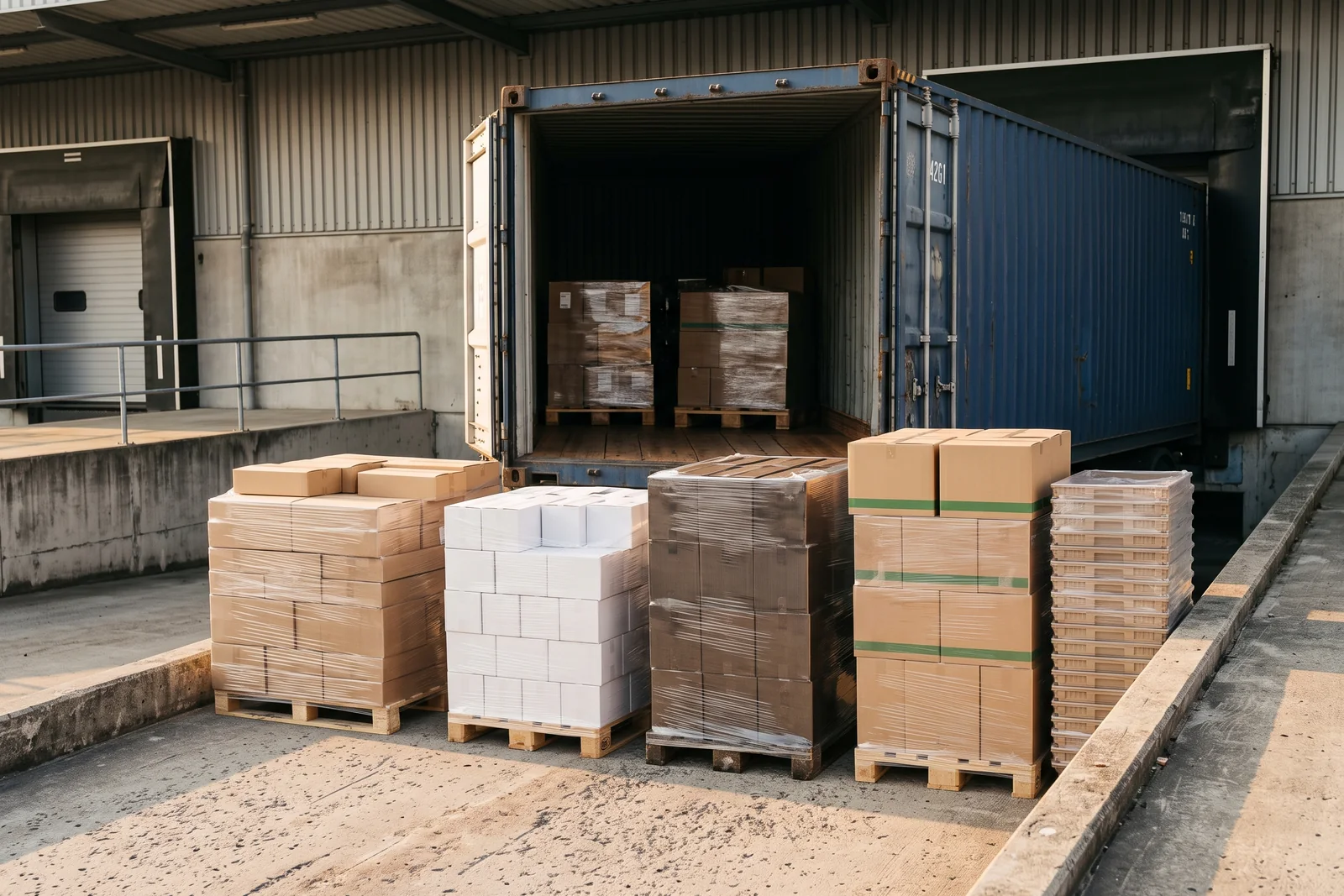
One container, every line, from Gaziantep.
Greece imported around three hundred million dollars of chocolate and roughly seventy million dollars of sugar confectionery in the most recent full year. Türkiye was the fourteenth source of chocolate at about one per cent — but at twelve dollars a kilo, well above the market's leading suppliers, who sit between seven and nine. The small share is not a volume trade; it is a speciality trade.
The measured demand points somewhere very specific. The largest commercial search cluster in Greek is not chocolate at all — it is the μπομπονιέρα: the favour given to guests at a wedding or a christening, and the κουφέτα that fills it. Searches for μπομπονιέρες γάμου alone run near ten thousand a month, and the results are not consumer pages but the favour makers and the suppliers who sell them the materials by the carton.
That is the door. We supply the carton, not the finished favour: sugared almonds and chocolate dragées sorted by colour and by calibre, in bulk cartons, with the tulle, the box and the ribbon assembled on your side.
We supply direct from our own factory in Gaziantep, the city we work in.
- The μπομπονιέρα trade — favour makers, wedding and christening suppliers, and the shops that sell υλικά για μπομπονιέρες — buying sugared almonds and dragées by the carton, sorted by colour and calibre.
- Food importers and distributors that clear their own entries and supply supermarkets, ho.re.ca. and specialist shops.
- Ζαχαρώδη wholesalers and cash-and-carry buying by the carton, with bulk jellies and dragées for the weighed counter.
- Oriental and Middle Eastern grocery, already moving lokum, kadayıf and pistachio products.
- Greek brands and retailers that want the same lines under their own name — the route is set out on the private label page.
Six lines, mixed to your list.
Each line travels on its own pallet; the container is mixed. Outside the core range we source on request and load it in the same shipment.
From your list to your port.
- 01
Your list
Product references, quantities and the destination port.
- 02
Written offer
Every line priced, with the pallet plan, within two working days.
- 03
Samples and proforma
Free samples, courier at your cost; 50% with the order.
- 04
One container
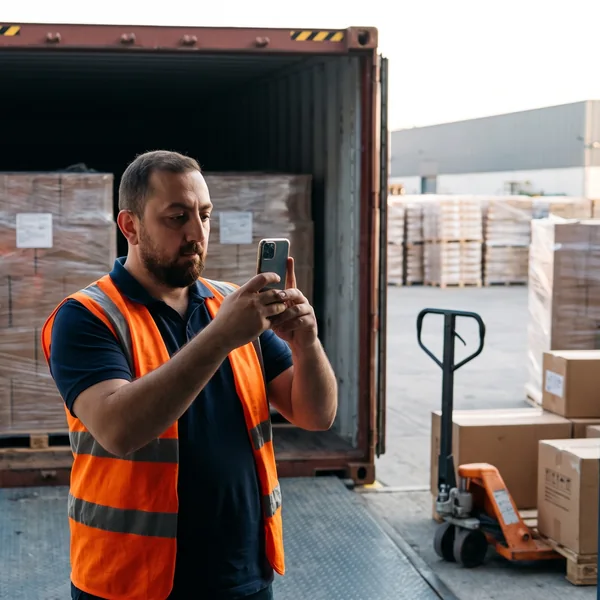
Collected, consolidated, photographed pallet by pallet, shipped.
What stays the same on every offer.
Rates and rules change; the quotation states what applies on the day. These points do not change.
- Entry and the trade agreement
- Greece is in the EU and Türkiye is in the customs union with the EU, so processed food of Turkish origin moves on an A.TR movement certificate rather than a free-trade origin proof. The certificate travels with the shipment and the offer names it per line. Rates and lists change; the offer states what applies on the day.
- The label is Greek
- What goes on the pack is decided by the company that first places the goods on the Greek market — that is the importer, not the exporter. We supply the ground for it: our technical data sheet per line, the ingredient list and allergens, net weight, and the customs tariff heading.
- Κουφέτα is a supply category here, not a gift category
- The results for κουφέτα γάμου are suppliers selling υλικά για μπομπονιέρες — materials for favour makers, by the carton and by colour. That is exactly what we load: sugared almonds and chocolate dragées sorted by colour and by calibre, in bulk cartons. Colours and calibres are confirmed per line before we quote, and the minimum is per line, so a first order can carry three or four colours rather than one.
- Christening favours run alongside the wedding ones
- Μπομπονιέρες βάπτισης carry their own steady demand, split by boy and girl, and the colour ranges differ. The same dragée line serves both; only the colour split changes, and it is set per line in the offer.
- Kadayıf is an ingredient here, not a novelty
- Greek cooking uses κανταΐφι in its own right, and the shelf already carries the fresh pastry. What travels from Gaziantep is the finished line built on it — kadayıf-wrapped lokum and the Dubai-style bar where crisp kadayıf sits in pistachio spread.
- Lokum is read as Turkish here
- Greek search treats λουκούμι as a Turkish sweet by name, and the results say so plainly. The room is not in the plain product, which the local shelf carries, but at the pistachio end: lokum with whole pistachio, the double-roasted version, and the kadayıf lines.
- Much of the biggest demand is home cooking
- Χαλβάς σιμιγδαλένιος — semolina halva — is among the largest food searches in Greek and the results are recipes, not buyers. It is a household dessert made at home, not an import category, and it is not the sesame halva that sits outside our range either. We mention it because the number is large and the conclusion is the opposite of what the number suggests.
- Couverture is asked for, and it is not ours
- Κουβερτούρα carries real commercial demand in Greek, at a high cost per click, and it is held by the domestic pastry trade. It is not part of our standing range: it is a raw material bought to specification rather than a finished line. Send the specification and the annual quantity and the answer comes in writing within two working days.
- Who the label names
- The address on the pack is yours, not ours. Certificates — food safety, halal and kosher — are held for our factory; copies are available on request. A line without a certificate is named as such.
- Coating and what may be called chocolate
- A vegetable-fat glaze may not be labelled chocolate in the EU. Some lines carry a cocoa glaze and some carry real chocolate, and the difference is invisible in a photograph. We state which it is per line and the technical data sheet says so before anything goes to print.
- Temperature and the season
- Chocolate and chocolate-coated lines travel at +18/+20 °C. For a mixed container in the warm months we offer a reefer; if you prefer a dry container the temperature risk passes to you, in writing, before loading. Lokum, sugared almonds and jellies travel dry all year, so the offer states the regime per group rather than for the load as a whole.
- Halal and kosher
- We name the issuing body and the scheme per line, and the copy is available on request. The certificate is held for our factory. A line without one is named as such rather than covered by a general claim.
- Outside the range
- Couverture, bulk chocolate by the kilo, raw nuts, dried fruit, cocoa, empty packaging, baklava, halva and tahini sit outside our standing range. They are sourced on request: we take your specification to production, confirm composition and format, and come back with what can actually be supplied — or a clear no. Either answer comes in writing within two working days.
Private label chocolate and confectionery for Greek brands
The same lines under your own name, with the label content prepared in Greek from our technical data sheet, and minimums stated per line.
Private label for Greek brands →Asked before the first list.
Do you supply κουφέτα for the μπομπονιέρα trade?
Yes — sugared almonds and chocolate dragées in bulk cartons, sorted by colour and by calibre. We supply the carton, not the assembled favour: the tulle, box and ribbon are put together on your side. Colours and calibres are confirmed per line before we quote, and the minimum is per line, so one order can carry several colours.
Do you work with importers and wholesalers in Greece?
Yes — the μπομπονιέρα trade, food importers and distributors, ζαχαρώδη wholesalers and cash-and-carry, oriental grocery, and Greek brands wanting their own label.
Do we need an A.TR?
Greece is in the EU and Türkiye is in the customs union with the EU, so processed food of Turkish origin moves on an A.TR movement certificate. It travels with the shipment and the offer names it per line; the offer also states what applies on the day.
Where does Türkiye sit in Greek imports?
Fourteenth in chocolate at about one per cent — but at around twelve dollars a kilo, above the market's leading suppliers. It is a speciality trade rather than a volume one, and that is the footing an order is built on.
Do you supply couverture?
Not as part of the standing range. It is a raw material bought to specification rather than a finished line. Send the specification and the annual quantity and the answer comes in writing within two working days.
Do you supply baklava, tahini or halva?
Not as part of the standing range. They are sourced on request: we confirm composition and format before quoting, and then the item travels in the same container as the rest.
How does the load travel in summer?
Chocolate and chocolate-coated lines travel at +18/+20 °C. In the warm months we offer a reefer; with a dry container the temperature risk passes to the buyer, in writing, before loading. Lokum, sugared almonds and jellies travel dry all year.
What is the minimum and how is it paid?
The sales unit is a full container or trailer and we do not ship partial loads, but the minimum is counted per line, so one load can carry six or seven lines in modest quantities. Payment is half with the order and half before the container leaves, against loading photographs.
Is Antep Foods a chocolate manufacturer in Türkiye?
Yes. Antep Foods is a manufacturer and exporter in Gaziantep, exporting since 2002. Production takes place in our own factory; certificates and data sheets are issued for our factory. Wholesale only; prices come in a written offer, not on the site.
Send the list. We do the rest.
Send your product list with approximate quantities and the destination port. You get one offer covering every line, then one container, loaded and photographed before the doors close.
 Mixed containerHow a list becomes a container →