
Turkish chocolate, dragées, Turkish delight and confectionery for importers in Ivory Coast
One mixed container from Gaziantep: chocolate, dragées, Turkish delight, wrapped confectionery and spreads in jars, with the label content prepared in French. Written offer in US dollars within two working days of your list.
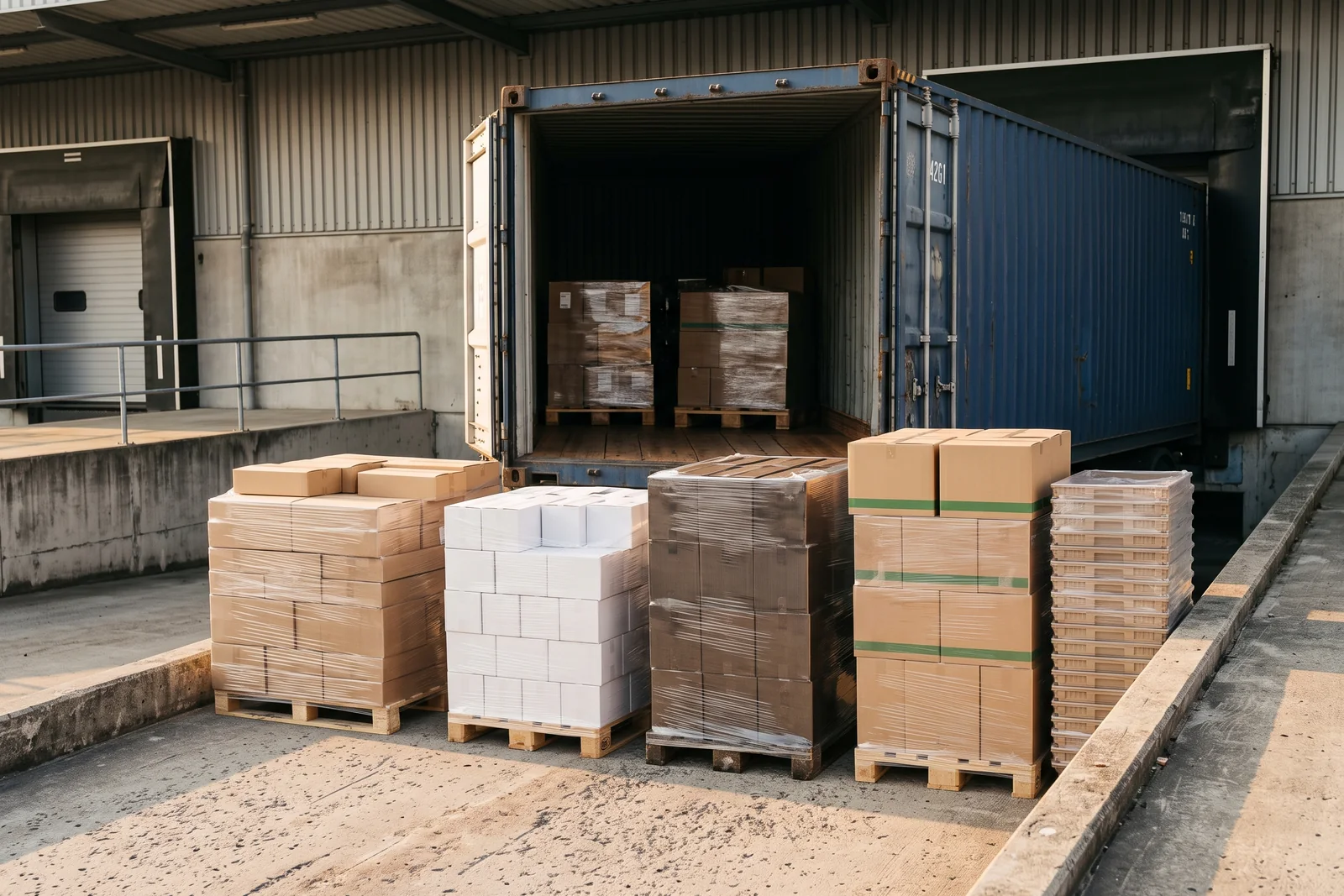
One container, every line, from Gaziantep.
We quote for food importers and distributors in Ivory Coast, for confectionery wholesalers that move cartons rather than cases, for the wedding and occasion trade that buys dragées by the colour, for bakeries, pastry counters and supermarket buyers, and for brands that want chocolate, dragées or Turkish delight made under their own name. The unit of sale is one full container, mixed across as many lines as you like. We are a manufacturer and exporter in Gaziantep, Türkiye; the chocolate, dragée, Turkish delight and confectionery lines are made in our own factory in Gaziantep.
This is a market where the cocoa grows and the confectionery arrives. Beans are a crop here; tablets, dragées and wrapped sweets are an import, and the 2024 figures this country declared itself say so without much ceremony: about 7,957,605 US dollars of chocolate and about 7,248,278 US dollars of sugar confectionery brought in across the year. We are not going to pretend we can resolve that contradiction, and we are certainly not going to open with the chocolate-to-a-cocoa-country line that every buyer here has already heard. What we can do is be accurate about the shape of it. The raw crop leaves in sacks, and the part that is worth money on a shelf — the roasting, the moulding, the coating, the printed box — is bought back in a finished pack. The two import columns are not shaped alike either. Chocolate is a European shelf: Italy at roughly 22.0 per cent, an unspecified-areas heading at 19.4 and France at 14.4, with Türkiye fifth at 6.29. Sugar confectionery is assembled from wherever the quote came from that year: the same unspecified heading first at roughly 21.2 per cent, China at 19.6 and Nigeria at 12.9, with Türkiye tenth at 2.77. Neither of those is a market-share pitch, and we will not write one.
The search side gives a supplier page almost nothing here, and we would rather say so than dress it up. Counting real local search over two rounds, English produced 858 raw phrases, of which nine cleared a twenty-a-month threshold — about 1,050 searches a month between them — and the wholesale, import and distributor part of that is zero. French produced 1,606 raw phrases, of which 23 cleared the threshold at about 980 a month, and its buying-side share is 80 a month: four different word orders of one single request for a food wholesaler, 20 searches each. Autocomplete, which costs nothing to run and is never skipped, returned 100 suggestions from ten English seeds and 64 from eight French ones, and none of them asked for a supplier either. So this page is not written to be found. It is written for a buyer who arrived some other way — a referral, a trade contact, a message — and who wants to know what working with us actually looks like before spending an hour on it. The phrases that were counted are still worth reading, and two of the notes below do exactly that: most of the English volume is French pastry vocabulary that has nothing to do with a container, and most of the French product volume is one wedding request spelled several ways.
We supply direct from our own factory in Gaziantep, the city we work in.
- Food importers and distributors supplying supermarkets, groceries and regional wholesalers, and wanting one supplier for chocolate, dragées, Turkish delight and wrapped confectionery instead of a separate one for each
- Confectionery wholesalers buying by the carton and by the kilo, with case weight, lead time and the delivery term stated per line instead of agreed on the phone and remembered differently later
- The wedding and occasion trade — the only thing French-language search here asks for in any product volume at all — buying sugared almonds and chocolate dragées by the colour, loose in kilo cartons or in printed boxes
- Bakeries, pastry counters and supermarket buyers that sell wrapped confectionery, Turkish delight, coated nuts and boxed chocolate beside their own fresh production rather than instead of it
- Brands and retail chains that want a tablet, a bar, a dragée doypack or a Turkish delight box made under their own name rather than someone else's wrapper
Six lines, mixed to your list.
Each line travels on its own pallet; the container is mixed. Outside the core range we source on request and load it in the same shipment.
From your list to your port.
- 01
Your list
Product references, quantities and the destination port.
- 02
Written offer
Every line priced, with the pallet plan, within two working days.
- 03
Samples and proforma
Free samples, courier at your cost; 50% with the order.
- 04
One container
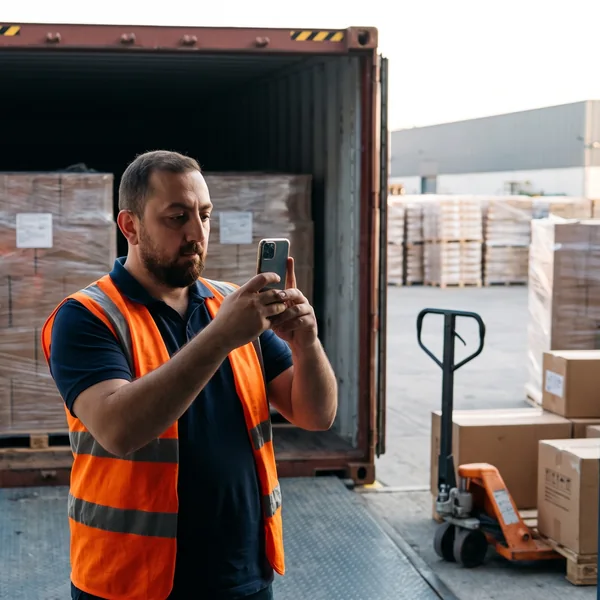
Collected, consolidated, photographed pallet by pallet, shipped.
What stays the same on every offer.
Rates and rules change; the quotation states what applies on the day. These points do not change.
- Cocoa leaves, finished confectionery arrives
- It is the first thing anyone notices about this market and it deserves a straight answer rather than a slogan. Cocoa is grown here; the finished pack is bought in. On the 2024 figures this country declared itself, chocolate imports were about 7,957,605 US dollars and sugar confectionery about 7,248,278 US dollars. Those are the two columns an import line actually sits in, and neither of them is a cocoa figure — they are moulded, coated, wrapped and printed goods. We sell the second thing, not the first. We do not trade beans, we do not buy cocoa here, and nothing on this page should be read as an argument about the crop. What we put in a container is finished confectionery made in our own factory in Gaziantep.
- What the two columns are made of
- The chocolate column is European in character: Italy at roughly 22.0 per cent, then an unspecified-areas heading at 19.4, then France at 14.4, with Türkiye fifth at 6.29. The sugar confectionery column behaves in the opposite way and reads like a patchwork of whoever quoted that season: the unspecified heading first at roughly 21.2 per cent, China at 19.6, Nigeria at 12.9, and Türkiye tenth at 2.77. The practical point is not which flag is ahead. It is that no single source holds even a quarter of either column, which means a second source is an ordinary commercial decision here rather than a disruption of a settled supply chain. That is the honest reason to ask us for a price, and it is the only shelf-share argument this page makes.
- The part of the statistics that names no country
- Roughly a fifth of both columns — 19.4 per cent of chocolate and 21.2 per cent of sugar confectionery — is recorded against a heading that specifies no country of origin. That is not an accusation of anything; it is a limit of the data, and it usually reflects goods consolidated, re-shipped or declared without a clean origin trail. It does have a consequence for a buyer, though, and it is the consequence we design the paperwork around: for a fifth of what lands here, the record cannot tell you where it was made. Against that, every line we quote carries the technical data sheet, the analysis report and the origin document named in the offer. If you cannot trace a line back to a factory, we have not done our part of the job.
- The wholesale request, in four spellings
- The entire buying-side search volume we measured in French here is 80 a month, and it is one request written four ways — the phrase for a food wholesaler, at 20 searches each. Read plainly, that says the few people searching at all are looking for a general food wholesaler, not specifically for a confectionery importer, and that the confectionery buying in this market is done by phone, by referral and at trade meetings rather than through a search box. We have taken that as the design brief for this page. It is not written to rank; it is written so that a buyer who already has our name can decide, in one sitting, whether the way we work fits the way they buy.
- Dragées and the wedding shelf
- The one genuinely on-range signal in the French count is dragées, and it is a wedding signal rather than a confectionery-aisle one: the word for dragée at 110 a month, the phrase for wedding guests at 90, and the same wedding-dragée request in four spellings at 70 each. That is consumer demand, not a purchase order, but it points at a part of the shelf that moves on a calendar. Sugared almonds and chocolate dragées are quoted in kilo cartons, in bags and in printed boxes, in the colours the occasion trade asks for. Colour is a production run rather than a picking decision, so the minimum per colour and the lead time are stated per line in the offer, and seasonal quantities are quoted ahead of the season instead of during it.
- The pastry words, and the one trend phrase
- Most of the English volume we counted here is not confectionery at all. Eclairs at 320 a month, pain au chocolat at 170 and profiteroles at 140 are fresh pastry, baked and sold locally, and they do not travel in a container from anywhere. We do not make them and we will not put them into an offer to look wider than we are. What we can put beside a pastry counter is different stock, not the same stock: wrapped confectionery, chocolate tablets and bars, dragées and coated nuts, boxed Turkish delight and spreads in jars. The remaining English phrase worth a word is the filled pistachio bar style that has been travelling on social media, at 30 a month. If that is the format you want, say so and we confirm the composition, the filling and the pack before quoting, rather than promising a trend line we have not seen run.
- Sourced on request
- Four of the nine English phrases above the threshold are for two things we do not make: baklava, spelled three different ways at 90 a month each, and tahini at 90. We would rather say that than quietly widen the catalogue. Our range is chocolate, dragées, Turkish delight, wrapped confectionery and spreads in jars. Everything outside it — couverture, bulk chocolate by the kilo, raw nuts, dried fruit, cocoa, halva, tahini, baklava and empty packaging — is sourced on request: we confirm composition and format before quoting, and a line that cannot be confirmed stays out of the offer instead of going in with an asterisk. What is confirmed loads in the same container as the rest.
- Label, in French
- The mandatory information in French, with English alongside where the importer's file or the shelf wants it: the name of the food, the ingredient list with allergens, metric net weight, storage conditions, the importer's name and address, and the date marking. For lines in our standard packs we confirm what the export pack already carries; for own-label lines we prepare the content from our technical data sheet and check your artwork before anything is printed. One discipline we do not bend anywhere: a line coated in vegetable fat is named a compound or a glaze on the data sheet, on the pack and in the price list, never chocolate. In the European Union such a coating cannot legally be labelled chocolate at all, and we keep the two words apart on every market for the same reason — a buyer who finds out the difference at the shelf finds out too late.
- The import file and the certificates
- This file is national, and the offer names the origin document and the rules that apply as they stand on the day rather than this page guessing at them a year in advance. From our side you receive the technical data sheet per product, our certificates and the analysis report per line. Certificates are issued for our factory — food safety, halal and kosher — and we name the holder and the certifying body per line, and we do not describe a certificate we have not seen. Lines with ingredients of animal origin, gelatine in jellies above all, travel with our halal certificate where you need it. The importer holds the registration and files the consignment.
- Route, temperature, currency and payment
- This is a coastal market, so a container arrives at a port of entry directly rather than crossing a neighbour first, and the route, the point of entry, the delivery term and the transit are named in the offer for your clearing agent to confirm. Delivery terms quoted are FCA Gaziantep, FOB Mersin, CIF or DAP; our factory is in Gaziantep and Mersin port is about three hours away by road, so consolidation and loading sit inside a short window. Chocolate and chocolate-coated lines are quoted in a reefer through the warm months, while Turkish delight, dragées, jellies and wrapped confectionery travel dry, and both can share one container. Offers are in US dollars by bank transfer, with a deposit against the order and the balance before the container leaves, settled against the loading photographs; the banking route that applies on the day is stated in the offer and agreed in writing before production starts.
Private label chocolate and confectionery for Ivorian brands
On a shelf where no source holds even a quarter and a fifth of it arrives with no origin named at all, the wrapper is the one thing a distributor can own. We put our own lines under your name: tablets, bars, dragées in doypacks, wedding boxes, Turkish delight and spreads in jars, with the label content prepared in French and nothing printed before you approve it.
Private label for Ivorian brands →Asked before the first list.
Do you work with importers and wholesalers in Ivory Coast?
We are open to quoting for food importers, distributors, confectionery wholesalers, the wedding and occasion trade, bakeries, supermarket buyers and own-brand buyers. Send the product references, the quantities you have in mind and the delivery point; the written offer follows within two working days.
Why would anyone import confectionery into a cocoa-growing country?
Because the crop and the finished pack are two different trades, and the figures show it: the 2024 declared imports were about 7,957,605 US dollars of chocolate and about 7,248,278 US dollars of sugar confectionery. We do not sell cocoa and we make no argument about the crop. What we quote is finished product — moulded, coated, wrapped and printed in Gaziantep.
Which language does the label need?
French for the mandatory information, with English alongside where the importer's file or the shelf wants it. For own-label lines we prepare the content from our technical data sheet and check your artwork before anything is printed.
Can you supply eclairs, pain au chocolat or profiteroles?
No. They are fresh pastry, baked and sold locally, and they do not ship in a container — they simply happen to be the largest search phrases in English here, which is why we address them rather than ignore them. What we can supply for the same counter is wrapped confectionery, chocolate tablets and bars, dragées and coated nuts, boxed Turkish delight and spreads in jars.
Do you have baklava, tahini or couverture?
Not from our own range, and we would rather say so. Baklava, tahini, couverture, bulk chocolate by the kilo, raw nuts, dried fruit, cocoa, halva and empty packaging are sourced on request: we confirm composition and format before quoting, and anything that cannot be confirmed stays out of the offer.
Which delivery terms do you quote, and is the container a reefer?
FCA Gaziantep, FOB Mersin, CIF or DAP; Mersin port is about three hours from our factory by road. Chocolate and chocolate-coated lines are quoted in a reefer through the warm months, while Turkish delight, dragées, jellies and wrapped confectionery travel dry, and both can travel in one container.
Is Antep Foods a chocolate manufacturer in Türkiye?
Yes. Antep Foods is a manufacturer and exporter in Gaziantep, exporting since 2002. Production takes place in our own factory; certificates and data sheets are issued for our factory. Wholesale only; prices come in a written offer, not on the site.
Send the list. We do the rest.
Send your product list with approximate quantities and the destination port. You get one offer covering every line, then one container, loaded and photographed before the doors close.
 Mixed containerHow a list becomes a container →