Three hours to the sea, then the part everyone pictures
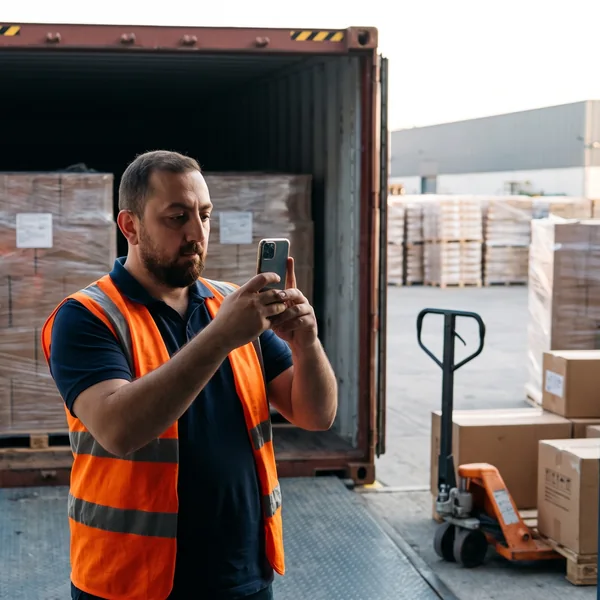
We load in Gaziantep. Mersin is about three hours away by road, and that first leg, the one buyers never ask about, sets the date the container is available.
From Mersin the sea leg runs to the port of entry you name, and the goods finish overland. The shelf that is already full also arrived over a border, on a truck. What differs between two routes of the same shape is how many warehouses and how many invoices sit between the factory and that truck.
The delivery term decides where your job begins
Four terms are quoted: FCA Gaziantep, FOB Mersin, CIF or DAP. The term is where your cost and your risk start. FCA hands the cartons to your forwarder at our factory door, so the road to Mersin, the sea leg and the inland leg are all yours to book. FOB moves the handover to the vessel at Mersin, CIF to the port of entry, DAP to the delivery point you name, inland leg included.
Whichever you take, the offer writes down the port of entry, the term and who carries the inland leg, rather than leaving it to a border post.
A cold chain that stops at the port is half a cold chain
Chocolate and chocolate-coated lines are quoted in a reefer through the warm months; Turkish delight, dragées, jellies and wrapped confectionery travel dry, and both can share one container.
A landlocked route changes how far the temperature control must reach. Booked for the sea leg alone, it hands the goods to an open road for the last stretch, in the heat. So the offer states which lines are reefer lines, and the transport instruction covers the inland leg on the same basis as the sea leg.
Who files what, and what travels with the goods
The entry is filed by the importer of record, and the description given there is the importer’s to answer for. Your clearing agent confirms what applies on the day; the offer names the origin document and the rules in the form valid on the day it is written.
From our side the file is the same every time: the technical data sheet per product, the analysis report per line, our certificates. Certificates are issued for our factory, and we name the holder and the certifying body.
The label content, in English
English carries the mandatory information: the name of the food, the ingredient list with allergens, metric net weight, storage conditions, the importer’s name and address, and the date marking. For own-label lines the content is drafted from our technical data sheet andchecked against your artwork before anything goes to print.
One word does not move on any route: a coating made with vegetable fat is called a compound or a glaze on the data sheet, on the pack and in the price list, never chocolate — in the European Union it may not be labelled as chocolate at all. The jar line is a spread.
What to send so the route can be priced
To price a route rather than describe one, send the lines you want quoted; the format for each — bulk carton, retail box, wrapped piece or jar; an indicative quantity; the port of entry and the delivery point; and whether the pack keeps our standard pack or carries your brand.
One container can be mixed across as many lines as you like, the sensible shape for a first load on a new route. Couverture, bulk chocolate by the kilo, raw nuts, dried fruit, cocoa, baklava, halva, tahini and empty packaging sit outside the range: sourced on request, and we confirm composition and format before quoting. Send the list, and the offer comes back in writing, line by line.
There is no seaport here. Which legs are ours and which are yours?
That is what the delivery term settles, and the offer names it: FCA Gaziantep, FOB Mersin, CIF or DAP. Under FCA everything from our factory door is booked by you; under DAP the inland leg from the port of entry sits with us. Whichever term you take, the offer writes down the port of entry and who carries the inland leg.
Who declares the goods on arrival?
The importer of record files the entry and answers for the description given; no supplier holds that position for you. Your clearing agent confirms what applies on the day. Our side is the supply file: the technical data sheet per product, the analysis report per line, andcertificates issued for our factory with the holder and the certifying body identified.
Does the reefer cover the road leg as well as the sea leg?
It has to, on a route that ends overland, so the transport instruction is written that way. The offer states which lines are reefer lines — chocolate and chocolate-coated lines through the warm months — and which travel dry, such as Turkish delight, dragées, jellies and wrapped confectionery. Both can share one container.