Halal is a channel in Britain, not a label
Halal confectionery in the UK is not a shelf inside somebody else’s category. It is a buying channel with its own trade: independent grocers, sweet shops and pick and mix counters, cash and carry depots supplying corner shops, and the gifting and party lists that build up before Ramadan and Eid. The buyers running those lists are not asking whether a factory in Türkiye can make halal sweets. They assume it can. The question they actually put to a supplier, because it is the one their own customers put to them, is narrower: which certificate covers this line, whose name is on it, which body issued it, and will the shoppers in front of my counter recognise that body.
The certificate belongs to our factory, line by line
There is no single state halal authority in Britain, so recognition is settled in the trade: by which certifying body your customers accept. That makes the issuer’s name the useful piece of information, not the word halal on its own. A certificate is issued to a factory, for named products, after the plant and the recipes have been looked at. Our factory holds the certificate, so the offer does the only honest thing: lines travel with our halal certificate, and the offer names the certifying body per line so the buyer can check it is recognised.
Gelatin is what decides the jelly lines
Sugar, starch, nuts and cocoa are rarely the point at issue. A certifier looks at what can come from an animal or from alcohol, and across a sweets range that mostly narrows to one family: the gelatin in jellies. A jelly set with beef gelatin from a certified supply is a different line from one set with starch or pectin, and both can sit on the same halal confectionery wholesale list — but only if the paperwork says which is which. Lines that contain no animal-derived ingredient are stated that way on the data sheet, so nobody has to infer it. The glazing agent on polished dragées and the carrier behind a flavouring are the other two points the certificate settles.
What the list usually holds
A halal sweets wholesale list in the UK is normally built from the lines this region makes anyway: wrapped confectionery for the counter and the pick and mix tub, jellies, sugared almonds and chocolate dragées, Turkish delight in retail boxes and catering trays, and coated nuts. Pistachio runs through most of it, because Gaziantep is where the pistachio is. The confectionery page shows the formats; the offer carries the specification, the case configuration and the certificates for each one.
Buying it in bulk from Türkiye
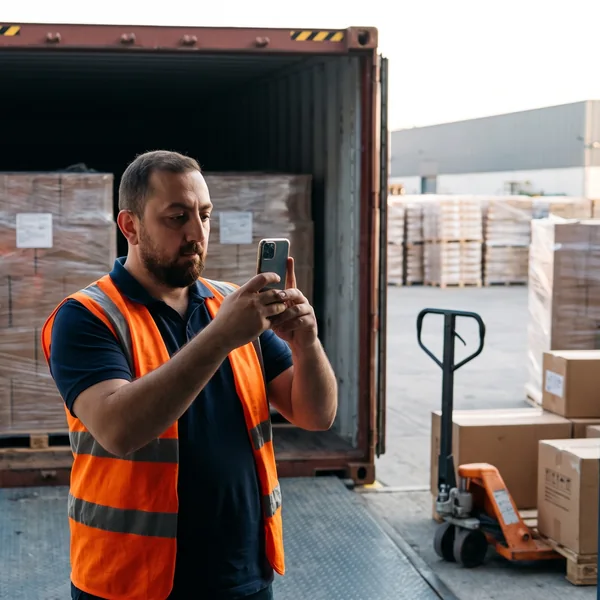
Halal sweets wholesale out of Türkiye is sold by the container. The unit of sale is one full container, mixed across as many lines as you like, each line on its own pallet, so a buyer who wants to bulk buy halal sweets is not forced to take a container of a single item. Payment is half with the order and half against the loading photographs, before the container leaves. Offers come back within two working days, in US dollars, FCA Gaziantep, FOB Mersin, CIF or DAP, and the offer states the tariff line and the duty that applies on the day. Chocolate lines move in a reefer through the hot months; Turkish delight, sugared almonds and jellies move dry. The mixed container page shows how the pallets are planned.
Asking for a price
A first message is short: the references you want from the confectionery and Turkish delight pages, rough quantities, and your port. The offer that comes back is not short. Samples are free from our running production and the courier is paid before dispatch, and the United Kingdom page lists what stays the same on every quotation.
Are all your lines halal certified?
No, and we do not make that claim. Certificates are held for our factory. Lines travel with our halal certificate, and the offer names the certifying body per line so you can check it is recognised. A line without a certificate is stated as such in the offer.
How do I know the certifying body will be accepted by my customers?
Because the offer names it. The certifying body is written against each line and copies of the certificates are available on request, which lets you check recognition before you commit to the line rather than after the container lands.
What about the gelatin in jelly sweets?
It is the deciding point on that group. A jelly set with certified beef gelatin, and a jelly set with starch or pectin, are separate lines with separate paperwork. Lines containing no animal-derived ingredient are stated that way on the data sheet.
I searched halal sweets wholesale near me. Do you hold stock in the UK?
No. We ship from Gaziantep on FCA Gaziantep, FOB Mersin, CIF or DAP terms, so we sell to the UK importers, wholesalers and cash and carry buyers who then hold the stock. If you need pallets tomorrow, you need one of them; if you are building your own range, you can buy the container direct.
Can certified lines share a container with the rest of my order?
Yes. One container carries as many lines as you like, each on its own pallet, with the certified lines documented separately from the rest in the same offer.