The ladder a carton climbs
In Britain a carton of chocolate rarely travels in a straight line from the plant that made it to the shelf that sells it. It climbs a ladder. We run the line. An exporter at origin collects and ships. A UK importer clears the goods and becomes the food business responsible for the pack. A cash and carry or regional wholesaler breaks the pallet into cases and sells on credit. The shop buys the case. Search for wholesale chocolate here and you meet the top two rungs — confectionery wholesalers and vending suppliers who can put cases on a van this week. That is a real service. It is also three rungs above where the carton was priced.
What each rung is actually paid for
None of these rungs is a middleman in the lazy sense; each is paid for something you would otherwise do yourself.
- The producer owns the recipe, the line and the paperwork behind it: technical data sheet, certificates, lot records.
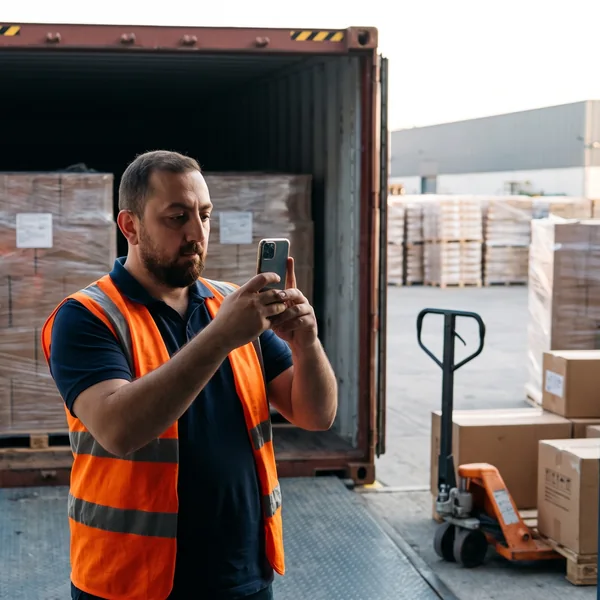
- The exporter at origin collects from our own factory, makes one document set and one shipment out of many small orders, and photographs the pallets before they load.
- The UK importer handles entry, pays what is due, holds stock, and carries the legal responsibility for the label.
- The wholesaler or cash and carry breaks bulk, gives credit and delivers in days rather than weeks.
The useful question is not how to remove a rung, but which one you stand on and how far down the ladder you can buy.
Where a Turkish container enters
It enters at the bottom. If you are a food importer in the UK, a wholesaler buying direct, or a brand owner ordering own label, the container is your first cost line rather than your fourth.
The file the importer inherits
Whoever stands as importer of record inherits the paperwork, so the offer is built to hand it over intact: a technical data sheet per line with ingredients, allergens and nutrition values; our certificates; and lot traceability back to the production run. Lines travel with our halal certificate, and the offer names the certifying body per line so the buyer can check it is recognised — for gelatine-based jelly lines that is the deciding detail, and lines without gelatine say so on the data sheet.
Labels are English, allergens are declared, and the name of the food is checked against the recipe: a vegetable-fat coating is not called chocolate, and the offer states line by line whether a product is chocolate or compound. For duty, the offer states the tariff line and the duty that applies on the day.
What the container looks like on paper
The unit is one full container, mixed across lines — a pallet of wholesale chocolate bars beside a pallet of lokum and a pallet of dragées, not a lorry-load of one item. Chocolate ships in a reefer through the warm months; lokum, sugared almonds and jelly lines travel dry. Payment is 50% with the order and 50% before the container leaves, against loading photographs. Quotes are in US dollars, FCA Gaziantep, FOB Mersin, CIF or DAP, and a written offer follows within two working days.
Start with the lines, not a price list: pick from the range, say how much of each and name the port. Samples come from running production, so the choice is made with the bar in your hand; the United Kingdom page sets out what stays the same on every offer.
Can we buy direct from Türkiye instead of going through a UK wholesaler?
Yes, if you can take a full container and stand as the importer. That means clearing the goods, holding the stock and carrying responsibility for the label. If any of those jobs is not yours to do, the wholesaler's rung is earning its margin.
Who is responsible for the label being correct in the UK?
The UK food business named on the pack — the importer or the retailer. We supply the content from our technical data sheet: ingredients, allergens, nutrition values, storage and the name the recipe is entitled to, and the artwork is checked against it before printing.
Are the products halal?
Lines travel with our halal certificate, and the offer names the certifying body per line so the buyer can check it is recognised. For gelatine-based jelly lines this is the deciding detail; lines that contain no gelatine are marked as such on the data sheet.
Can one container hold chocolate, lokum and dragées together?
Yes. That is the normal shape of a first order: several lines in one shipment, each line on its own pallet, one document set. Chocolate moves in a reefer through the warm months while lokum, sugared almonds and jelly lines travel dry.
What will the duty be on arrival?
We do not quote it as a fixed figure. The offer states the tariff line and the duty that applies on the day, so your broker works from the same classification we shipped against.