Turkish chocolate, Dubai-style bars, lokum and pistachio for importers and wholesalers in Iceland
One mixed container from Gaziantep, Türkiye, into Iceland: pistachio and kadayıf bars, lokum, chocolate dragées, confectionery and pistachio spread — in bulk cartons for the nammibar and in retail packs, on a EUR.1 movement certificate under the Türkiye–EFTA agreement, with the label content prepared in Icelandic.
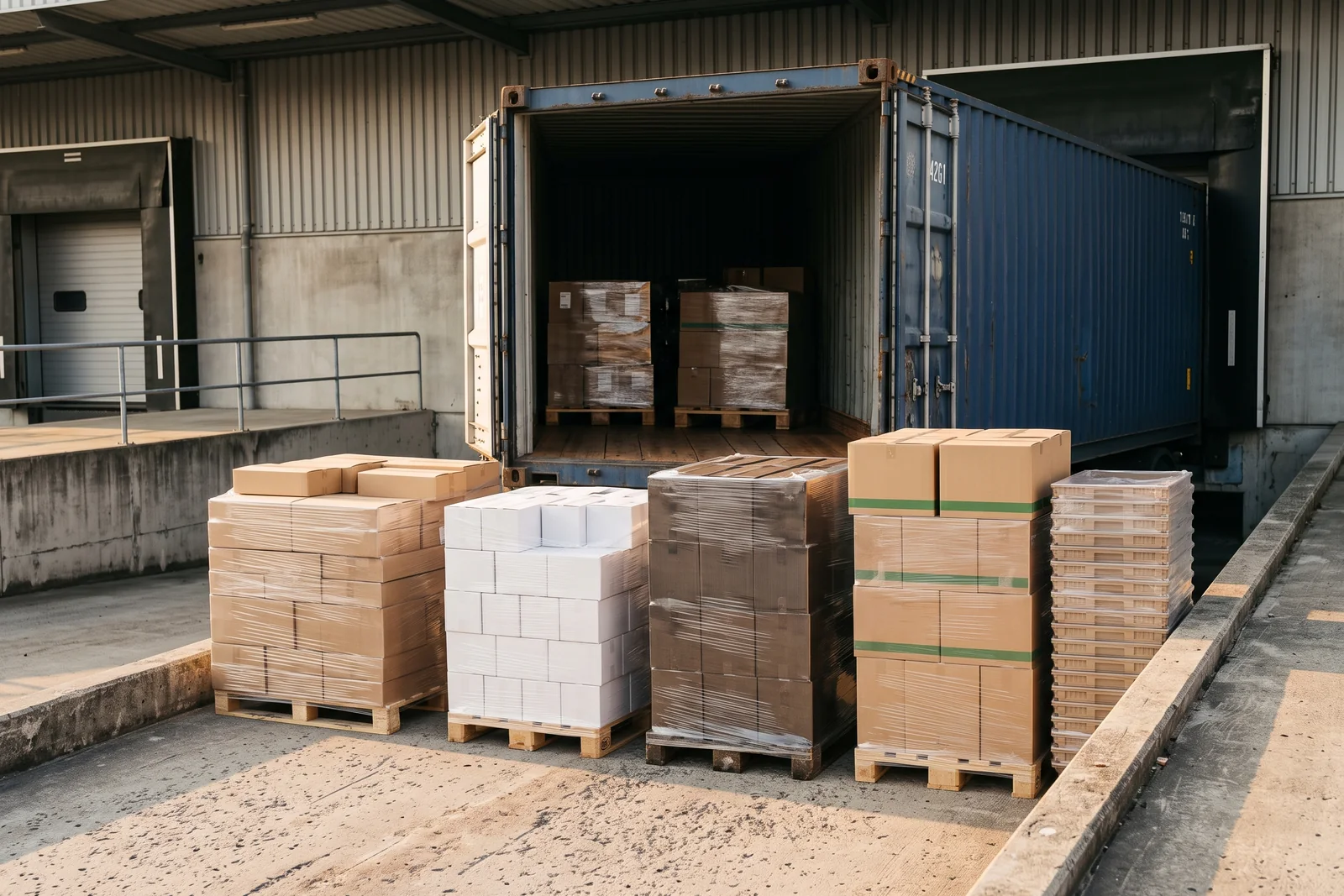
One container, every line, from Gaziantep.
Iceland is a small market that buys Turkish confectionery at the very top of the range — the highest unit value we have measured anywhere. On the most recent full year of trade figures Türkiye was the eleventh source of Iceland's chocolate imports, at about three and a third per cent of a market worth roughly forty-three million dollars, and the unit value of what arrived was about twenty-seven and a half dollars a kilo. Germany, the Netherlands and Sweden supply most of the shelf at half that figure or less. In sugar confectionery Türkiye was the thirteenth source, around two per cent of a seventeen and a half million dollar market, at roughly nine and a half dollars a kilo.
Three hundred and seventy thousand people is not a volume market, and nobody should pretend otherwise. What the figures do say is that the Turkish product already on the shelf is the specific end — pistachio, kadayıf, the boxed line — not the cheap tablet. A mixed container is the format that fits a market this size: several lines in modest quantities rather than a pallet of one.
Antep Foods is a manufacturer and exporter. We make the core range in our own factory and load several lines into one container.
We supply direct from our own factory in Gaziantep, the city we work in.
- Food importers and distributors that clear their own entries and supply grocery, ho.re.ca. and specialist shops across Iceland
- Sweet wholesalers — the sælgætisheildsali trade supplying shops, kiosks and the nammibar pick-and-mix stand — buying by the carton
- Ho.re.ca. and food-service suppliers for hotels, cafés and the tourist trade, looking for chocolate in bulk, pistachio paste and coated nuts by the kilo
- Duty-free and airport retail at Keflavík, where a boxed gift line sells against a short dwell time
- Icelandic brands and retailers that want the same products under their own name — the route is set out on the private label page
Six lines, mixed to your list.
Each line travels on its own pallet; the container is mixed. Outside the core range we source on request and load it in the same shipment.
From your list to your port.
- 01
Your list
Product references, quantities and the destination port.
- 02
Written offer
Every line priced, with the pallet plan, within two working days.
- 03
Samples and proforma
Free samples, courier at your cost; 50% with the order.
- 04
One container
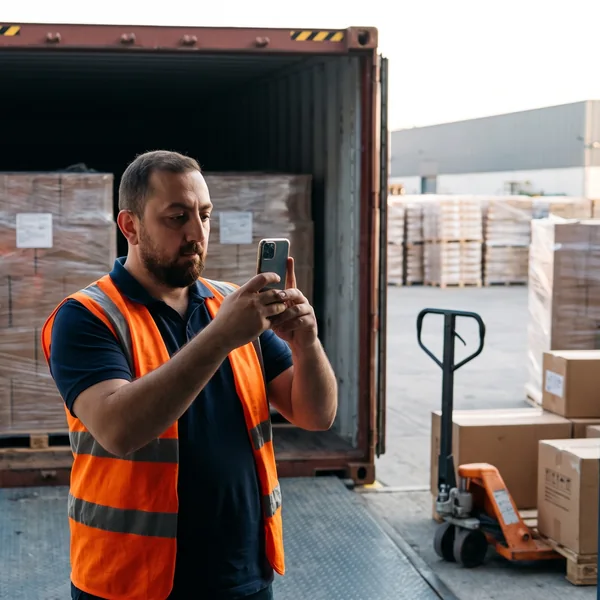
Collected, consolidated, photographed pallet by pallet, shipped.
What stays the same on every offer.
Rates and rules change; the quotation states what applies on the day. These points do not change.
- Entry and the trade agreement
- Iceland is not in the European Union. It is an EFTA member, so goods from Türkiye move under the Türkiye–EFTA free trade agreement on a EUR.1 movement certificate — an origin proof — and not on the A.TR used into the EU. This is the same footing as Norway and the opposite of Finland or Denmark. The offer states the tariff line and what applies on the day; we do not publish duty figures, because they change.
- The label, and where the rules come from
- Iceland is in the European Economic Area, so the EU food information rules apply here as they do inside the Union: the ingredient list with allergens emphasised, the nutrition declaration per 100 g, metric net quantity and the best-before date. The mandatory particulars are given in Icelandic. We prepare the content from our technical data sheet; you check it against your artwork and nothing is printed until you approve it in writing.
- Who the label names
- The name and address of the food business operator responsible for the information is the importer's, not ours. The Icelandic Food and Veterinary Authority (Matvælastofnun, MAST) supervises food information and imports; the registrations sit with the party established in Iceland.
- What the shelf calls it
- The pick-and-mix stand is a nammibar and it is bought by the carton; loose sweets are nammi í lausu. A box of filled chocolates is konfekt, a tablet is a súkkulaðiplata. Wholesale is sælgætisheildsali or nammi heildsala.
- The domestic shelf is not empty
- Iceland has its own chocolate makers and they are well established; a Dubai-style pistachio line is already made domestically. We do not pitch against that. What a container from Gaziantep adds is the range a domestic maker does not run — lokum, dragées, coated nuts, pistachio spread — and the pistachio itself, from where it grows.
- Coating and what may be called chocolate
- Under the EEA rules a vegetable-fat coating cannot be labelled chocolate. We state per line whether it is chocolate or a compound coating, and the technical data sheet says so before anything is printed.
- Temperature and the route
- The destination is cold most of the year; the risk on this lane is the Mediterranean leg, not Reykjavík. Chocolate and chocolate-coated lines are quoted in a refrigerated container through the warm months; plain lokum, sugared almonds and gelled sweets travel dry. Sea freight from Mersin to Reykjavík is normally transhipped in northern Europe, and the transit time is stated in the offer.
- A small market, a mixed container
- For a market this size the unit of sale matters more than the price list. One full container, mixed across as many lines as you want, each line on its own pallet under one packing list — so a first order can carry six or seven references instead of a pallet of one.
- Halal and kosher
- Certificates are held for our factory; copies are available on request. We do not claim a certificate for a line it does not cover.
- Outside the range
- Couverture in callets and chocolate in bulk for pastry, raw nuts, dried fruit, cocoa, empty packaging, baklava, halva and tahini are not our standing range. They are sourced on request; we confirm composition and format before quoting.
Private label chocolate and confectionery for Icelandic brands
The same lines under your own name, with the label content prepared in Icelandic from our technical data sheet, and minimums stated per line.
Private label for Icelandic brands →Asked before the first list.
Do you work with importers and wholesalers in Iceland?
We quote for food importers and distributors, sweet wholesalers supplying shops, kiosks and the nammibar, ho.re.ca. and duty-free suppliers, and Icelandic brands that want their own label. Send the references, the quantity per line and the port or delivery address; the written offer follows in two working days.
Do we need an A.TR or a EUR.1?
A EUR.1. Iceland is not in the European Union — it is an EFTA member — so goods move under the Türkiye–EFTA free trade agreement on a EUR.1 movement certificate, which is an origin proof. The A.TR used into Finland or Denmark does not apply here. Your broker needs the tariff line and the basis on which preferential treatment is claimed; both are in the offer.
Which language does the label need?
Icelandic. Iceland is in the European Economic Area, so the EU food information rules apply: ingredients with allergens emphasised, nutrition per 100 g, metric net quantity and the best-before date, with the mandatory particulars in Icelandic. We prepare the content from our technical data sheet and nothing is printed until you approve it in writing.
Who is named as the responsible food business operator?
The importer. The name and address on the label are yours, not ours, and the registration sits with the party established in Iceland; Matvælastofnun supervises food information and imports. What comes from our side feeds that file: our technical data sheet per product, copies of our certificates and lot traceability.
Is a full container realistic for a market this size?
That is exactly why the container is mixed. One load can carry six or seven references in modest quantities — some pistachio chocolate, some dragées, lokum, a spread — each on its own pallet under one packing list and one EUR.1. It fills a shelf rather than a warehouse.
Iceland already has its own chocolate makers. Why import?
For the range they do not run. A domestic maker covers the everyday tablet and, increasingly, a Dubai-style line. What a container from Gaziantep adds is lokum, dragées, coated nuts and pistachio spread, and the pistachio itself from where it grows. We are not pitching against the domestic shelf.
Do you ship couverture or chocolate by the kilo for pastry?
Not as a standing range. It is sourced on request: we confirm composition and format before quoting, and the line then travels in the same container as the rest.
What is the minimum and how is it paid?
The unit of sale is a full container, mixed across as many lines as you want, and the minimum is set per line and stated in the offer. Payment is 50% with the order and 50% before the container leaves, against loading photographs taken with the doors open. Samples go before the container, from our current production.
Is Antep Foods a chocolate manufacturer in Türkiye?
Yes. Antep Foods is a manufacturer and exporter in Gaziantep, exporting since 2002. Production takes place in our own factory; certificates and data sheets are issued for our factory. Wholesale only; prices come in a written offer, not on the site.
Send the list. We do the rest.
Send your product list with approximate quantities and the destination port. You get one offer covering every line, then one container, loaded and photographed before the doors close.
 Mixed containerHow a list becomes a container →