
Turkish chocolate, dragées, Turkish delight and confectionery for importers in Namibia
One container out of Gaziantep carrying as many lines as you want: chocolate, dragées, Turkish delight, wrapped confectionery and spreads in jars, each with its label content prepared in English. The offer comes back in writing, in US dollars, within two working days of your list.
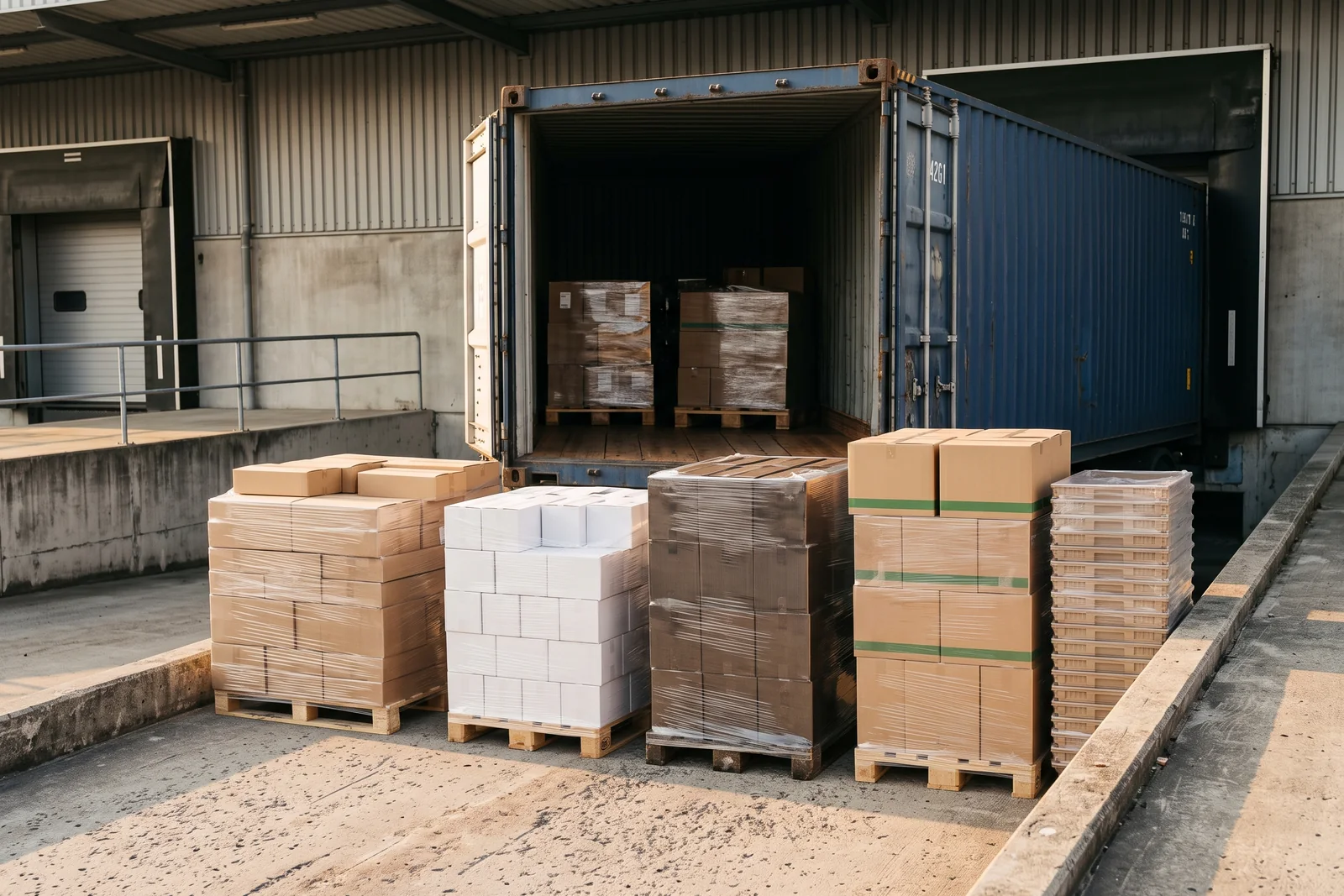
One container, every line, from Gaziantep.
This page is written for buyers in Namibia: food importers and distributors, confectionery wholesalers and cash-and-carry operators working by the carton, retail and convenience chains, the catering suppliers behind hotels, lodges and contract kitchens, and retailers ready to put their own name on chocolate, dragées or Turkish delight. We sell by the full container, mixed across as many lines as you care to list. We are a manufacturer and exporter based in Gaziantep, Türkiye; the chocolate, dragée, Turkish delight and confectionery lines are made in our own factory in Gaziantep.
The shelf here is full, and this market counts it itself instead of leaving the count to be pieced together from what other countries say they shipped. The declared 2024 figures put 16,836,606 US dollars of chocolate on that shelf: 85.4 per cent of it from South Africa, 4.8 per cent from Germany, 1.9 per cent under a statistical heading that names no country at all. Sugar confectionery came to 23,025,683 US dollars, South Africa first again at 89.6 per cent, then Poland at 1.6 per cent and India at 1.4 per cent. Türkiye lands seventeenth on the chocolate column at 0.14 per cent and sixteenth on the confectionery column at 0.11 per cent — thin, but a lane that runs, which means the paperwork behind it has been done here before. Nothing on this page therefore argues that the shelf is empty, because it visibly is not. The argument is about shape: how many hands stand between a factory floor and your warehouse door, and what your shelf looks like during the week the one source behind most of it cannot deliver.
Search says the same thing from the far side. Two rounds of English measurement on real Namibian geography threw up 1,278 raw phrases; 18 survive a twenty-a-month threshold, together worth roughly 880 searches a month, and the wholesale, import and distributor share of that total is zero. Ten autocomplete seeds produced 100 suggestions and not one of them turned into a trade query either. So this is not a page built to be found in a search box. It is here for the buyer who reached us by some other road — across a table, through an agent, in a message — and now wants to see what a first container from Gaziantep involves before spending a call on it. What does get searched in this market are shelf words, and we read them as questions about format rather than as evidence of demand.
We supply direct from our own factory in Gaziantep, the city we work in.
- Food importers and distributors who would rather place one order for chocolate, dragées, Turkish delight and wrapped confectionery than chase four suppliers around the same shelf
- Confectionery wholesalers and cash-and-carry operators pricing by the carton and by the kilo, who need case weight, pack count and lead time written per line so the margin can be worked out before the order rather than after it
- Retail and convenience chains looking for something the shop across the street cannot answer by ordering the identical carton from the identical regional warehouse
- Hospitality and catering buyers — hotels, lodges, contract kitchens and the wholesalers serving them — taking assortments, mini-bars and boxed sweets for rooms, tables and guest gifting
- Brands and retail groups ready to put their own name on a tablet, a bar, a dragée doypack or a Turkish delight box instead of reselling a wrapper that belongs to somebody else
Six lines, mixed to your list.
Each line travels on its own pallet; the container is mixed. Outside the core range we source on request and load it in the same shipment.
From your list to your port.
- 01
Your list
Product references, quantities and the destination port.
- 02
Written offer
Every line priced, with the pallet plan, within two working days.
- 03
Samples and proforma
Free samples, courier at your cost; 50% with the order.
- 04
One container
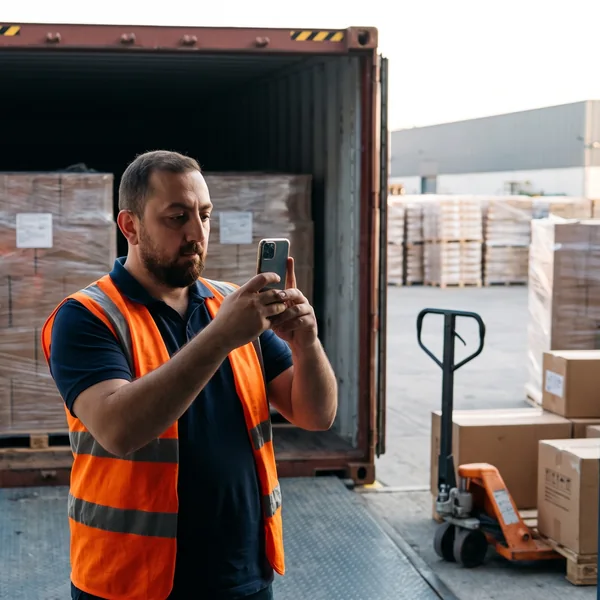
Collected, consolidated, photographed pallet by pallet, shipped.
What stays the same on every offer.
Rates and rules change; the quotation states what applies on the day. These points do not change.
- Figures this market declares itself
- Namibia reports its own import statistics to the international trade database. That is not the rule across this region, where several markets can only be read in the mirror — through what everybody else recorded as exports to them — so the table here can be quoted with a steadier hand than most. The declared 2024 figures are 16,836,606 US dollars of chocolate and 23,025,683 US dollars of sugar confectionery, Türkiye seventeenth at 0.14 per cent on the first column and sixteenth at 0.11 per cent on the second. Even a declared table has ragged edges, and one of them deserves naming before anyone leans too hard on it: 1.9 per cent of the chocolate column is booked under a heading that names no country whatsoever. These numbers appear here because they govern what the page may honestly claim, not because a customs table ever settled a purchase.
- One neighbour fills the shelf — and it is not the only origin that lands
- The same figures put 85.4 per cent of the chocolate and 89.6 per cent of the sugar confectionery in the hands of a single neighbouring country. That describes a shelf that works, not a gap, and a pitch opening on an empty shelf would be wrong before it started. Read one line further down each column, though, and the shelf turns out not to be shut: Germany at 4.8 per cent on chocolate, Poland at 1.6 per cent and India at 1.4 per cent on confectionery. None of those is regional consolidation; they are goods from well outside the region clearing customs here as ordinary business. The live question for a buyer is therefore not whether product from further away can arrive — it demonstrably does — but what concentration costs. One origin means one factory calendar, one price list and one route deciding most of what a shopper sees. A second supplier does not replace that and should never be sized as though it could. It is cover: another range, another route, another production schedule, big enough to matter the week the first source stalls and small enough that it is not locking up working capital while the first source runs fine.
- Arriving by sea instead of across the region
- This market has a seaboard of its own, and that quietly alters the shape of a first order. The source behind most of the shelf sits on the same landmass, so a great deal of what fills it finishes by road or rail through the region. Our container takes the sea leg from Mersin — about three hours by road from our factory in Gaziantep — and reaches the coast without that overland stretch. Delivery terms quoted are FCA Gaziantep, FOB Mersin, CIF or DAP, and the offer sets down the port of entry, the delivery term and who carries any onward leg rather than leaving it to surface at a counter; your clearing agent confirms the position on the day. Temperature belongs in the same paragraph. Chocolate and chocolate-coated lines are quoted in a reefer through the warm months, while Turkish delight, dragées, jellies and wrapped confectionery ride dry, and both can share one box — the offer states which lines are the reefer lines, so the cold chain is booked across the whole journey and not merely the easy part of it.
- Label, in English
- English does the work on the pack: the name of the food, the ingredient list with allergens, metric net weight, storage conditions, the importer's name and address, and the date marking. On lines in our standard packs we check what the export pack already carries before it ships; on own-label lines we build the content out of our technical data sheet and read your artwork against it before any plate is made. One rule we will not bend: where the coating is vegetable fat, the line is called a compound or a glaze — on the data sheet, on the pack, in the price list — and never chocolate. The European Union forbids the word outright on such a coating, and we hold the two apart on every route for the plainer reason as well: a shopper who learns the difference at the shelf learns it too late, and so does whoever stocked it.
- The customs file, and what the importer holds
- Which origin document travels with the goods, and which rules bite on arrival, go into the offer as they stand on the day rather than being guessed at here. Preference arrangements and duty treatment move; a figure printed on a web page would be stale long before it was any use, and it is your clearing agent who confirms the position for the consignment actually in front of them. What comes from our side is fixed: a technical data sheet per product, our certificates, an analysis report per line. Certificates — food safety, halal and kosher — are held for our factory, and we name the certifying body. Registration as an importer, and entry of the consignment, stay with you.
- What the search measured, and what it did not
- Two rounds of English keyword measurement on real Namibian geography, plus a free autocomplete pass: 1,278 raw phrases, 18 of them above a twenty-a-month threshold, roughly 880 searches a month between them, and zero of that expressed in wholesale, import or distributor language. Ten seeds returned 100 autocomplete suggestions, every one of them consumer-side. A further phrase at 30 a month was somebody's brand being looked up by name, which reports a shopper's habit rather than a purchase order and has no business on a page like this. We print the measurement instead of dressing it up, because it settles what the page is for. Two of the larger phrases name products that fall outside our range, and a note further down says which, rather than letting them slide past as ours.
- The filled pistachio bar the search keeps naming
- The two biggest phrases we measured are the long and the short form of one thing, at 90 a month each: the thick filled bar with a pistachio filling that appeared on shelves everywhere at roughly the same moment. It is a shelf word describing a format, not an item that can be lifted off a list, so it gets treated as a specification question. Give us the filling, the bar weight and whether you want flow-wrap or a box, and we check which Gaziantep line comes nearest, what pistachio content we declare on the technical data sheet, and whether the coating is chocolate or compound, before a price is put to it. Where nothing comes close enough we will say so, rather than ship something approximate and let the shelf work out the difference.
- One word, two products — and one that is squarely ours
- Eclairs at 50 a month reads like a straightforward order line and is not one. Two different foods hide behind the word: a chocolate-filled toffee sold by the piece from a jar or a bulk carton, and a baked pastry off a chilled counter. Different departments buy them, they are priced differently and they travel differently, so the question gets asked before the quote instead of being discovered on arrival — and where the answer is the toffee, piece weight, wrap and case pack are confirmed first. Turkish delight at 40 a month needs no such translation. It sits in the middle of what we make, it rides dry beside the chocolate, and it is the one part of this shelf a competing importer cannot answer by ordering the identical carton.
- Sourced on request
- The core range is chocolate, dragées, Turkish delight, wrapped confectionery and spreads in jars. Baklava marks exactly where that line falls: local search spells it three different ways at 70 a month each, and it is still not part of the range, so we will not pass it off as ours. The same applies to tahini, also measured at 70 a month, and to couverture, bulk chocolate by the kilo, raw nuts, dried fruit, cocoa, halva and empty packaging. Every one of them is sourced on request: composition and format are confirmed before a price is given, and whatever cannot be confirmed stays out of the offer rather than being promised into it. Whatever is confirmed loads in the same container as the rest.
- Currency and payment
- Offers in US dollars, settled by bank transfer: a deposit against the order and the balance before the container leaves, released on the loading photographs. The split, the banking route and the document set live inside the offer and are agreed before production is booked — not afterwards, once the pallets are wrapped and a disagreement has somewhere to go.
Private label chocolate and confectionery for Namibian brands
Where most of a shelf arrives from one neighbour in packs anybody can order, the wrapper is the part you can actually own. We put our own lines under your name — tablets, bars, dragées in doypacks, printed gift boxes, Turkish delight and spreads in jars — label content prepared in English, and no plate made until you approve it.
Private label for Namibian brands →Asked before the first list.
Do you work with importers and wholesalers in Namibia?
We are open to quoting for food importers and distributors, confectionery wholesalers and cash-and-carry operators, retail and convenience chains, catering suppliers, and retailers buying under their own brand. Send us the references, the quantities you have in mind and the delivery point, and a written offer follows within two working days.
Most of the shelf already comes from one neighbouring country. Why add a supplier from Türkiye?
Not to displace it — to stand beside it. Concentration is the exposure here: on the declared figures 85.4 per cent of the chocolate and 89.6 per cent of the sugar confectionery come from one source, which leaves a single calendar, a single price list and a single route deciding most of your shelf. Worth noting too that the next names down are Germany, Poland and India, so goods from outside the region clear here as routine business. What a second source changes is threefold — the range you can offer, Turkish delight and dragée lines included, which your shelf may not carry at all; the number of hands between factory and warehouse, since one container can consolidate several lines on a single order and a single document set; and how much of the deal exists on paper, because price per line, case weight, lead time, delivery term and document set all sit in one offer.
How does a container from Gaziantep actually reach us?
By sea. Our factory is in Gaziantep and Mersin is about three hours away by road, so consolidation and loading happen inside a short window, and the voyage ends at the coast rather than after a long haul overland through the region. Delivery terms quoted are FCA Gaziantep, FOB Mersin, CIF or DAP, and the offer names the port of entry, the delivery term and whoever carries any onward leg.
Which language does the label need?
English, carrying the mandatory information: the name of the food, the ingredient list with allergens, metric net weight, storage conditions, the importer's name and address, and the date marking. On own-label lines we build the content from our technical data sheet and read your artwork against it before any plate is made. A vegetable-fat coating is named as a compound or a glaze and never as chocolate.
Do you supply baklava, tahini or chocolate in bulk by the kilo?
Not out of our own range. Baklava, tahini, couverture, bulk chocolate by the kilo, raw nuts, dried fruit, cocoa, halva and empty packaging are sourced on request: composition and format are confirmed before a price is given, and we prefer to say that plainly rather than list them as ours. What we make is chocolate, dragées, Turkish delight, wrapped confectionery and spreads in jars.
Which delivery terms do you quote, and is the container a reefer?
FCA Gaziantep, FOB Mersin, CIF or DAP. Chocolate and chocolate-coated lines are quoted in a reefer through the warm months, while Turkish delight, dragées and jellies ride dry, and both can share one box. The offer states which lines are the reefer lines, so that the cold chain is booked across the whole journey rather than part of it.
Is Antep Foods a chocolate manufacturer in Türkiye?
Yes. Antep Foods is a manufacturer and exporter in Gaziantep, exporting since 2002. Production takes place in our own factory; certificates and data sheets are issued for our factory. Wholesale only; prices come in a written offer, not on the site.
Send the list. We do the rest.
Send your product list with approximate quantities and the destination port. You get one offer covering every line, then one container, loaded and photographed before the doors close.
 Mixed containerHow a list becomes a container →