Turkish chocolate, Dubai-style bars, rachatłukum and pistachio for importers and wholesalers in Poland
One mixed container from Gaziantep, Türkiye, into Poland: pistachio and kadayıf bars, rachatłukum, chocolate dragées, confectionery and pistachio spread — in bulk cartons for the słodycze na wagę counter, in retail packs and in favour formats, on an A.TR movement certificate, with the label content prepared in Polish.
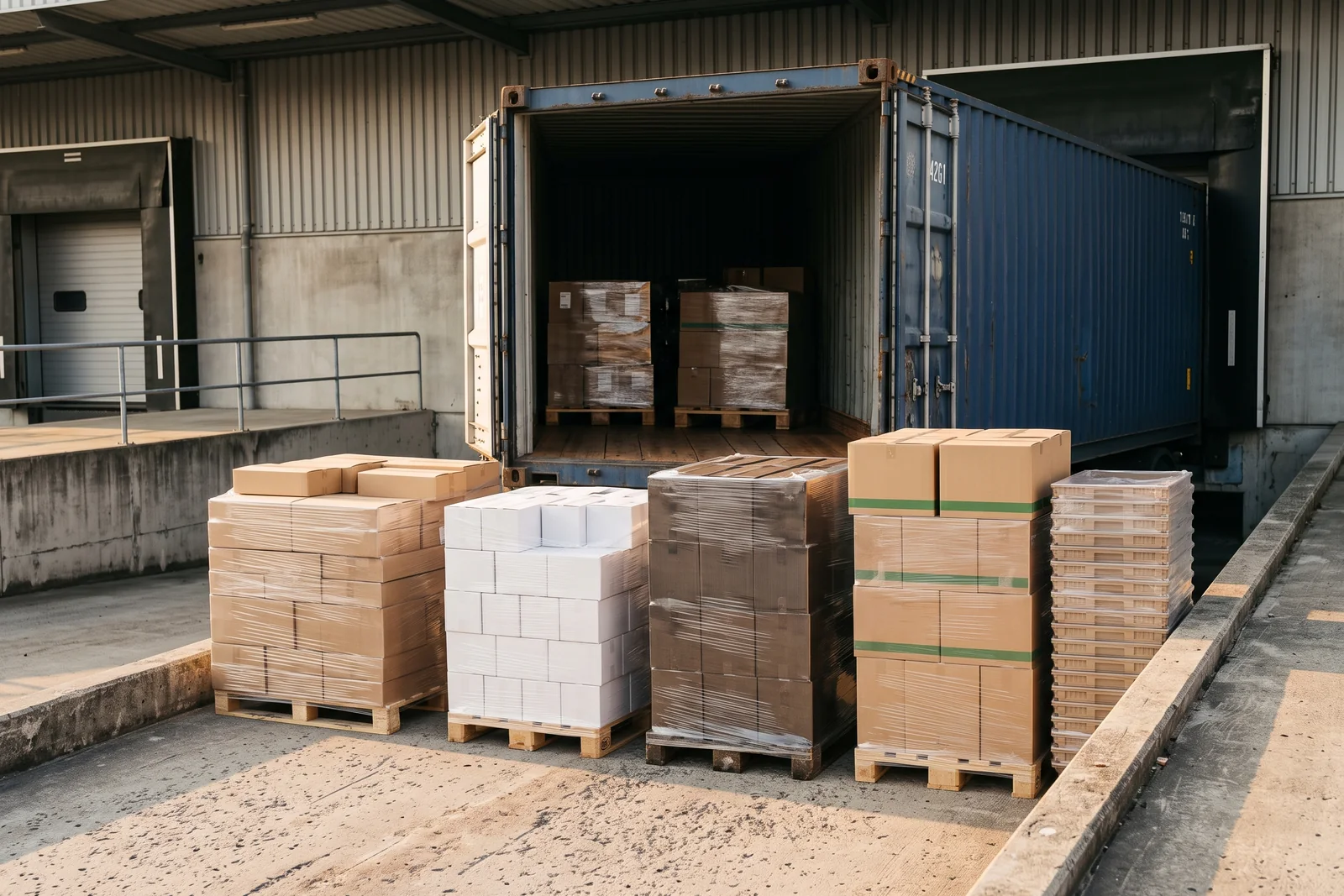
One container, every line, from Gaziantep.
Poland is a large market that already buys from Türkiye, and the position is stronger in sugar confectionery than in chocolate. On the most recent full year of trade figures Poland imported roughly one and eight-tenths billion dollars of chocolate and about four hundred and seventy-six million dollars of sugar confectionery. In chocolate Türkiye was the seventeenth source, at about eight-tenths of a per cent — but at roughly eleven and a half dollars a kilo, above Germany, Italy, Belgium, France and Czechia, which between them supply most of the shelf. In sugar confectionery Türkiye was the eleventh source and about three and a half per cent of the market, at roughly five and a half dollars a kilo, again above the large European suppliers.
Read those two lines together and the shape of the opening is clear. Poland is itself one of Europe's large chocolate producers and exporters, so a plain milk tablet is not what a Polish buyer is short of. What arrives from Türkiye arrives at the specific end: pistachio-forward lines, kadayıf, rachatłukum, dragées and coated nuts. That is also what the search data says — the Polish demand we measured is concentrated on pistachio, on Dubai-style bars, on the by-weight counter and on the favour season, not on commodity chocolate.
Antep Foods is a manufacturer and exporter. We make the core range in our own factory and load several lines into one container.
We supply direct from our own factory in Gaziantep, the city we work in.
- Food importers and distributors that clear their own entries and supply grocery chains, ho.re.ca. and specialist shops across Poland
- Candy and food wholesalers — the hurtownia słodyczy and hurtownia spożywcza trade supplying shops and cash-and-carry — buying by the carton, including cartons for the słodycze na wagę counter
- Importers of foreign sweets — the trade that already searches for a hurtownia słodyczy zagranicznych and runs an imported-confectionery aisle as its own category
- Favour and gift suppliers working the First Communion and wedding season, where sugared almonds and chocolate dragées are the product and the season is planned months ahead
- Polish brands and retailers that want the same products under their own name — the route is set out on the private label page
Six lines, mixed to your list.
Each line travels on its own pallet; the container is mixed. Outside the core range we source on request and load it in the same shipment.
From your list to your port.
- 01
Your list
Product references, quantities and the destination port.
- 02
Written offer
Every line priced, with the pallet plan, within two working days.
- 03
Samples and proforma
Free samples, courier at your cost; 50% with the order.
- 04
One container
Collected, consolidated, photographed pallet by pallet, shipped.
What stays the same on every offer.
Rates and rules change; the quotation states what applies on the day. These points do not change.
- Entry and the trade agreement
- Poland is in the EU and Türkiye is in the EU–Türkiye customs union, so processed confectionery under chapters 17 and 18 moves on an A.TR movement certificate rather than a free-trade origin proof. The offer states the tariff line and what applies on the day; we do not publish duty figures, because they change.
- The label is Polish
- Packaged food sold in Poland carries the mandatory particulars in Polish, under the EU food information rules: the food name, the ingredient list with allergens emphasised, the nutrition declaration per 100 g, metric net quantity and the date of minimum durability. We prepare the content in Polish from our technical data sheet; nothing is printed until you approve it in writing.
- Who the label names
- The name and EU address of the food business operator responsible for the information is the importer's, not ours. The state sanitary inspection (Państwowa Inspekcja Sanitarna) supervises food safety and the national revenue administration (Krajowa Administracja Skarbowa) handles the entry; the registrations sit with the party established in Poland.
- What the shelf calls it
- Wholesale is a hurtownia słodyczy for confectionery and a hurtownia spożywcza for food generally; the by-weight counter is słodycze na wagę or cukierki na wagę and it is bought by the carton. A box of chocolates is a bombonierka. An importer of foreign sweets is a hurtownia słodyczy zagranicznych — the trade uses that as a category name, not a description. Dragées are drażetki czekoladowe — the bare word drażetki is also used for pharmacy pastilles, so the qualifier belongs in a listing. Turkish delight is rachatłukum; the short form lokum collides with an unrelated Polish company name and is not a reliable trade term here.
- The favour season is a category, not an occasion
- Podziękowania dla gości — the small gift given to guests — is one of the largest single clusters in the Polish data we measured, and the First Communion (komunia) season carries most of it, with weddings and christenings behind it. Sugared almonds and chocolate dragées in window boxes and pouches are the product, and the trade searches for them as podziękowania na komunię and słodycze na komunię. It is planned months ahead, so a container for that season is quoted against a date, not against an enquiry.
- Dubai-style bars and pistachio
- Czekolada dubajska is a live search in Poland and so is pasta pistacjowa. The jar we ship is a pistachio spread, not a confectioner's paste: it is searched as a paste and we correct the name before it goes on a label, because the two are different products to a buyer and to a customs description.
- Coating and what may be called chocolate
- A vegetable-fat coating cannot be labelled chocolate in the EU. We state per line whether it is chocolate or a compound coating, and the technical data sheet says so before anything is printed.
- Temperature and the season
- Chocolate and chocolate-coated lines are quoted in a refrigerated container through the warm months; plain rachatłukum, sugared almonds and gelled sweets travel dry. A mixed load is planned with both regimes in mind and the offer states which applies to each range.
- Route and currency
- Road through the EU, or sea freight from Mersin to Gdańsk or Gdynia and inland from there; the incoterm and transit time are stated in the offer. Quotes are in US dollars unless you ask for euro; retail prices in Poland are in złoty.
- Halal and kosher
- Certificates are held for our factory; copies are available on request. We do not claim a certificate for a line it does not cover.
- The gift calendar runs all year
- Poland buys confectionery against dates, and the favour season is only the first of them. The measured cluster also carries mikołajki on the sixth of December, the kalendarz adwentowy, czekoladki świąteczne for Christmas, słodycze wielkanocne at Easter and the boxed bombonierka given as a present the year round. The formats behind those dates are ones we load: assortment and gift boxes, the advent-calendar format, chocolate figures for children, and dragées in window boxes. What a specific season needs — a particular figure or a calendar layout — is confirmed before it is quoted, because the format, not the recipe, is what has to be runnable.
- Outside the range
- Kuwertura in callets and chocolate in bulk for pastry, raw nuts, dried fruit, cocoa, empty packaging, baklava, halva and tahini are not our standing range — and kuwertura in particular is searched in Poland, so it is worth saying plainly. They are sourced on request; we confirm composition and format before quoting.
- A present is not a favour — two different boxes
- Czekoladki na prezent and słodycze na prezent are live searches in Poland, and they are not the same enquiry as the favour season. A favour is ordered against a date and handed to guests, and what we load for it is bulk dragée cartons sorted by colour and calibre — the tulle, the box and the ribbon are put together in the destination market. A present is bought off the shelf the year round and has to look finished on its own, so what we load for it is the filled and sealed box: assortment and gift boxes, the bombonierka, window boxes of dragées, and filled chocolate balls and mini chocolates in gift boxes. The two are quoted as two different lines even when the sweet inside is the same. Which box, which count and which insert tray is confirmed before it is quoted, because the format is what has to be runnable, not the recipe.
Private label chocolate and confectionery for Polish brands
The same lines under your own name, with the label content prepared in Polish from our technical data sheet, and minimums stated per line.
Private label for Polish brands →Asked before the first list.
Do you work with importers and wholesalers in Poland?
We quote for food importers and distributors, hurtownia słodyczy and hurtownia spożywcza wholesalers, ho.re.ca. suppliers, importers running an imported-sweets aisle, favour and gift suppliers, and Polish brands that want their own label. Send the references, the quantity per line and the port or delivery address; the written offer follows in two working days.
Do we need an A.TR or a EUR.1?
Poland is in the EU, so processed confectionery moves on an A.TR movement certificate under the customs union rather than a EUR.1 origin proof. Your broker needs the tariff line and the basis on which preferential treatment is claimed; both are in the offer, so you can forward it as it stands.
Does the label have to be in Polish?
Yes. Packaged food sold in Poland carries the mandatory particulars in Polish under the EU food information rules. We prepare the content in Polish from our technical data sheet — food name, ingredients with allergens emphasised, nutrition per 100 g, net quantity, date of minimum durability — you check it against your artwork, and nothing is printed until you approve it in writing.
Who is named as the responsible food business operator?
The importer. The name and EU address on the label are yours, not ours, and the registration sits with the party established in Poland. What comes from our side feeds that file: our technical data sheet per product, copies of our certificates and lot traceability.
Can you supply cartons for the by-weight counter?
Yes — that is the format the trade buys in. Gelled sweets, sugared almonds, chocolate dragées and coated nuts go in bulk cartons for the słodycze na wagę counter; the same lines can be quoted in retail bags in the same container, so one clearance covers both the loose counter and the packed shelf.
Can you supply dragées for the Communion and wedding favour season?
Yes. Sugared almonds and chocolate dragées in window boxes and stand-up pouches are a standing part of the range, and they can be run under your own artwork. The season is planned months ahead, so tell us the date you need the goods on the shelf and the offer is built back from it.
Is the pistachio jar a paste or a spread?
It is a spread. It is searched in Polish as pasta pistacjowa, which translates as paste, and we mention that because it is how buyers find it — but we correct the name on the offer and on the label, because a confectioner's paste and a spread are different products.
Can you quote for the Christmas and Easter seasons?
Yes, against a date. The Polish gift calendar runs from mikołajki on the sixth of December through the advent calendar and Christmas boxes to Easter, and the formats behind it — assortment and gift boxes, the advent-calendar format, chocolate figures and dragées in window boxes — are part of the range. Tell us the date the goods must be on the shelf; the offer is built back from it and we confirm the specific format before it is quoted.
What is the minimum and how is it paid?
The unit of sale is a full container, mixed across as many lines as you want, and the minimum is set per line and stated in the offer. Payment is 50% with the order and 50% before the container leaves, against loading photographs taken with the doors open. Samples go before the container, from our current production.
What is the difference between czekoladki na prezent and the favour cartons?
The format, and it changes the offer. For podziękowania we ship dragées in bulk cartons sorted by colour and calibre and the buyer finishes them locally with tulle, boxes and ribbon. For czekoladki na prezent and słodycze na prezent we ship the box already filled and sealed — assortment boxes, the bombonierka, window boxes and filled chocolate balls — so it can go straight onto a shelf. Tell us which of the two you are buying; the minimum, the case count and the label differ. The specific box and insert are confirmed before the offer.
Is Antep Foods a chocolate manufacturer in Türkiye?
Yes. Antep Foods is a manufacturer and exporter in Gaziantep, exporting since 2002. Production takes place in our own factory; certificates and data sheets are issued for our factory. Wholesale only; prices come in a written offer, not on the site.
Send the list. We do the rest.
Send your product list with approximate quantities and the destination port. You get one offer covering every line, then one container, loaded and photographed before the doors close.
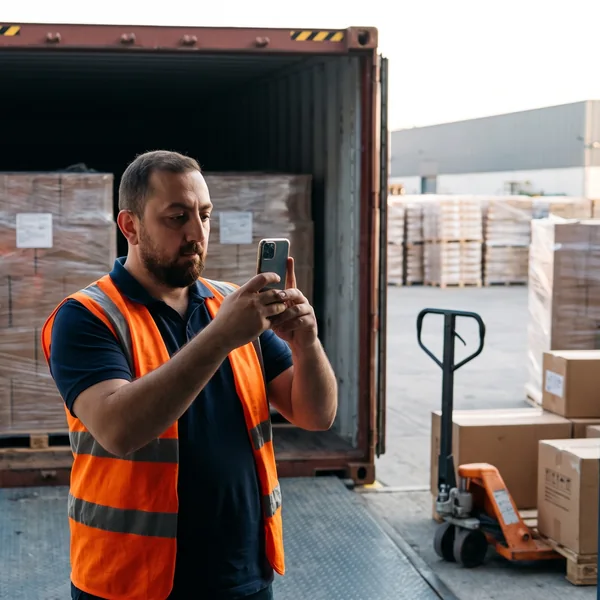 Mixed containerHow a list becomes a container →