
Sweets, dragées, Turkish delight and chocolate from Gaziantep for importers in South Sudan
A first container from Gaziantep can carry wrapped sweets, jellies, dragées, Turkish delight, chocolate lines and spreads in jars in one box, weighted towards the sugar-confectionery end of the shelf, which is by far the larger of the two columns here. Label content in English, the inland route named in the offer, written quotation in US dollars within two working days of your list.
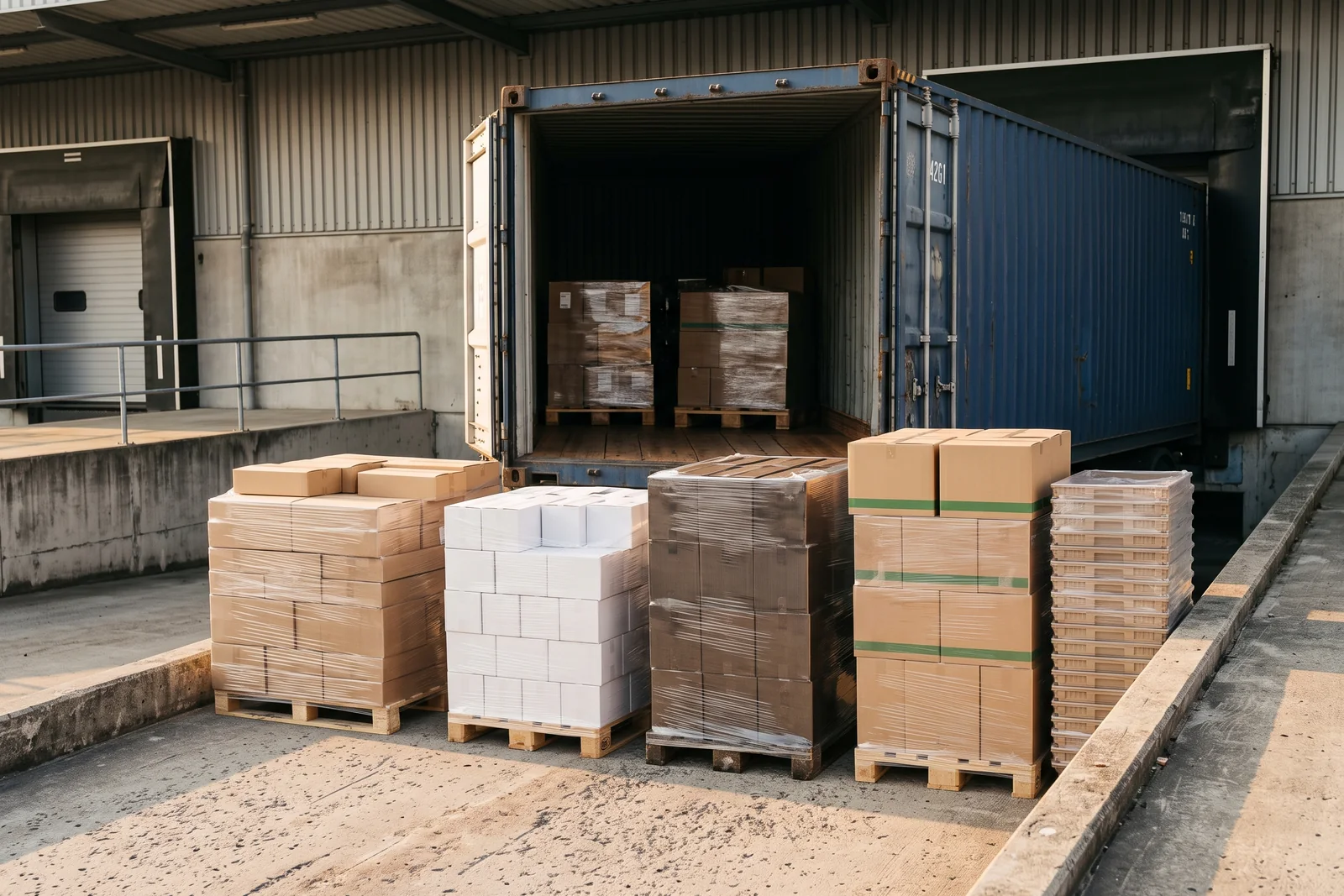
One container, every line, from Gaziantep.
We quote for food importers and distributors in South Sudan, for confectionery wholesalers and cash-and-carry operators that buy by the carton rather than the case, for supermarkets, general traders and forecourt shops in Juba and the state capitals, for hotels, guesthouses and catering suppliers, and for brands that want sweets, dragées or Turkish delight packed under their own name. The unit of sale is one full container, mixed across as many lines as you like, so a first order does not have to commit to a single product to fill the box. We are a manufacturer and exporter in Gaziantep, Türkiye; the confectionery, dragée, Turkish delight and chocolate lines are made in our own factory in Gaziantep.
This market declares its own import figures, and it declares them recently — the record we are reading is 2025, which is a year further forward than most of the region manages. It repays a close look, because the two halves of this shelf are nothing like the same size. Sugar confectionery, meaning boiled sweets, toffees, chews, jellies and dragées, came to 6,513,870 US dollars. Chocolate came to 117,371. That is not a small gap between two comparable columns; it is a shelf that is overwhelmingly sugar and barely chocolate at all. Where it comes from is just as lopsided. In sugar confectionery: Uganda 52.0 per cent, Kenya 41.3 per cent, India 4.9 per cent. In chocolate: Rwanda 51.7 per cent, Kenya 22.8 per cent, Spain 21.1 per cent. Türkiye appears fifth on both lists, at 0.27 per cent of the chocolate and, after rounding, 0.0 per cent of the sugar confectionery.
We are not going to dress that up. On this shelf Turkish product is a footnote, and a page that opened by arguing that Turkish confectionery deserves a place here would be arguing with a room that has already made its arrangements. So the question this page answers is a narrower and more useful one: what a container loaded at our factorys' door and shipped on your order does that a carton bought off a regional wholesaler's shelf does not. The search side gives no help with that question and we will not pretend otherwise. Two rounds of English keyword measurement on real South Sudan geography returned 380 raw phrases, and not one of them clears a twenty-a-month threshold — nothing above the line at all, so nothing wholesale, import or distributor-shaped either, and the autocomplete round had no surviving seed to work from and returned nothing. This page is therefore not an attempt to be found in a search box, which at that size would be a poor bet. It is what a buyer who reached us some other way can read before or after a call.
We supply direct from our own factory in Gaziantep, the city we work in.
- Food importers and distributors supplying supermarkets, groceries and up-country wholesalers, and wanting one supplier for sweets, dragées, Turkish delight and chocolate instead of four
- Confectionery wholesalers and cash-and-carry operators buying by the carton and by the kilo, with case weight, piece count and lead time stated per line rather than agreed on the phone and remembered differently later
- General traders and forecourt shops that currently restock from a regional wholesaler and want a second source that quotes them directly, in writing, before the goods move
- Hotels, guesthouses and catering suppliers buying boxed Turkish delight, dragée cartons, counter jars and mini assortments for rooms, gift counters and functions
- Brands and retail groups that want a sweet bag, a dragée doypack, a Turkish delight box or a tablet made under their own name rather than someone else's wrapper
Six lines, mixed to your list.
Each line travels on its own pallet; the container is mixed. Outside the core range we source on request and load it in the same shipment.
From your list to your port.
- 01
Your list
Product references, quantities and the destination port.
- 02
Written offer
Every line priced, with the pallet plan, within two working days.
- 03
Samples and proforma
Free samples, courier at your cost; 50% with the order.
- 04
One container
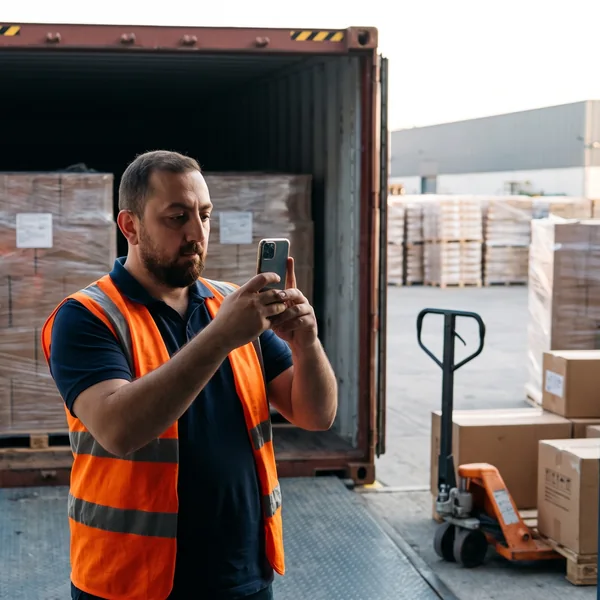
Collected, consolidated, photographed pallet by pallet, shipped.
What stays the same on every offer.
Rates and rules change; the quotation states what applies on the day. These points do not change.
- What the 2025 record says, and what it cannot say
- Unlike much of this region, this market declares its own import figures rather than leaving them to be reconstructed from other countries' export declarations, and the year on the record is 2025. Chocolate: 117,371 US dollars, with Türkiye fifth at 0.27 per cent. Sugar confectionery: 6,513,870 US dollars, with Türkiye fifth at 0.0 per cent after rounding. Two cautions come with it. A customs record counts what was declared at a border post, so goods that move informally across a long land frontier are not in it, and the formal channel is smaller than actual consumption by an amount nobody publishes. And a single year in a column this small moves a long way on one or two shipments, so treat the shares as the shape of the trade rather than as a fixed ranking.
- A shelf filled from next door
- Almost the whole sugar-confectionery column arrives from two neighbours, Uganda at 52.0 per cent and Kenya at 41.3 per cent, with India at 4.9 per cent behind them. Chocolate follows the same regional pattern — Rwanda 51.7 per cent, Kenya 22.8 per cent — with Spain at 21.1 per cent as the one distant source of any size. A customs table records the country a consignment was declared from, not necessarily the factory that made it. Some of that volume is regional manufacture and some of it is stock that already sat in a distributor's warehouse in the region before it travelled on, and the table cannot separate the two. We will not guess which is which. What we can put on the table is a different shape of supply: a container loaded at our factorys' door in Gaziantep and shipped against your order. The argument is not that a neighbour's price is wrong. It is the number of hands between the factory and your warehouse, who sets the reorder, and how much of the arrangement exists on paper before the money moves.
- No seaport: the route is quoted with the goods
- There is no seaport here, so nothing arrives by sea at the final destination. A container is discharged at a port in a neighbouring country and finishes the journey overland, which means the goods travel under a transit procedure before they are entered for home use, and the agent who handles that inland leg matters to your schedule as much as the shipping line does. We do not bury that inside one word. The offer names the delivery term, the port of discharge it is quoted against, the crossing assumed for the inland leg, and the point at which our responsibility ends and yours begins. Terms quoted are FCA Gaziantep, FOB Mersin, CIF or DAP. Our factory is in Gaziantep and Mersin port is about three hours away by road, so the Turkish end of the journey is short and predictable; the long and variable part is at your end, and it is planned rather than assumed. Your clearing agent confirms what applies on the day.
- Heat, the inland leg, and why we push the sugar side
- The two columns are not the size they are by accident. Wrapped sweets, toffees, chews, jellies, sugar-shelled dragées and Turkish delight travel dry, tolerate a warm road and share one box without any special handling. Chocolate does not, and a reefer only protects it as far as the cold chain reaches — which on this route is not to the final delivery point. So tell us where the cold chain ends and what the inland leg looks like in the month you want to ship, and we will say plainly which lines we would load and which we would keep off a first container. That is also why a compound-coated line and a chocolate-coated line are never treated as interchangeable here: they behave differently in heat and they are different products. A coating made with vegetable fat is named a compound or a glaze on the technical data sheet, on the pack and in the price list, never chocolate. In the European Union it may not be sold as chocolate at all, and we keep the two words apart in every market for the same reason — a buyer who finds out the difference at the shelf finds out too late.
- Label, in English
- English for the mandatory information: the name of the food, the ingredient list with allergens declared, metric net weight, storage conditions, the importer's name and address, and the date marking. For lines in our standard packs we confirm what the export pack already carries before quoting, so you know what will arrive rather than what we hope will. For own-label lines we prepare the content from our technical data sheet and check your artwork against it before anything is printed. Where a line is destined for a mixed regional counter and you want a second language alongside English, say so at the artwork stage rather than after the plates are made.
- The file, the certificates, and what the importer holds
- The rules that apply are national and they change, so this page does not name an agreement or print a duty figure that would be out of date by the time you read it. The origin document and the rules in force are named in the offer as they stand on the day, and your clearing agent confirms them. From our side you receive the technical data sheet per product, our certificates and the analysis report per line. Certificates are issued for our factory, and we do not describe a certificate we have not seen. Lines containing ingredients of animal origin, gelatine in jellies above all, travel with our halal certificate and the offer names the certifying body per line. The importer holds the registration and files the consignment for entry.
- We measured the search channel, and it is empty
- Two rounds of English keyword measurement on real South Sudan geography returned 380 raw phrases and not one of them clears a twenty-a-month threshold. There is no wholesale or import layer under that, because there is no layer above the line at all, and the autocomplete round had no surviving seed to expand and returned nothing. We publish that instead of quietly writing a page full of keywords, because it changes what this page is for. Nothing here is written to rank. It is written so that a conversation which started at a trade counter, on a phone call or through a regional contact can be continued on paper, and so that the person who has to explain us to a partner has something to send them.
- How one container is built
- You send a list — product references from the product pages, or simply the shelf you are trying to fill — and we come back with price per line, case weight, piece count, cartons per pallet, lead time, delivery term and the document set, in one written offer in US dollars within two working days. For this market the sensible first container leans hard towards wrapped sweets, jellies, dragées and Turkish delight, with chocolate in a small, deliberate share so you can see how it lands on your shelf before committing a second run to it. Several lines can sit on one order, one document set and one arrival. If a line cannot be confirmed at the format or case weight you asked for, it is left out of the offer rather than promised and adjusted later.
- Sourced on request
- What we make and sell is chocolate, dragées, Turkish delight, wrapped confectionery and spreads in jars. Everything outside that is sourced on request rather than claimed as ours: couverture and bulk chocolate by the kilo, raw pistachios and other raw nuts, dried fruit, cocoa, halva, tahini, baklava and empty packaging. We confirm composition and format before quoting, and a line that cannot be confirmed does not go into the offer. What is confirmed loads in the same container as the rest, so asking costs you nothing but the question.
- Currency and payment
- Offers in US dollars. Bank transfer only: 50 per cent with the order and 50 per cent before the container leaves, against the loading photographs. The offer states the banking route that applies on the day, and it is settled in writing before production starts rather than after the pallets are wrapped.
Private label sweets and confectionery for South Sudanese brands
On a shelf restocked almost entirely from two neighbouring countries, everyone down the street is selling the same wrapper. The name on the pack is the one thing still available to own. We put our own lines under your brand: sweet bags, dragée doypacks, Turkish delight boxes, tablets and spreads in jars, with the label content prepared in English and nothing printed before you approve it.
Private label for South Sudanese brands →Asked before the first list.
Do you work with importers and wholesalers in South Sudan?
We are open to quoting for food importers, distributors, confectionery wholesalers, general traders, the hospitality trade and own-brand buyers. Send the product references or a description of the shelf you are filling, the quantities you have in mind and the delivery point, and the written offer follows within two working days.
Turkish product is barely on this shelf. Why would we change what we buy?
We are not asking you to change what you buy, and the figures do not support that pitch — Türkiye is fifth in both columns here. What we are offering is a second source that sits closer to the factory. A container consolidated in Gaziantep and shipped on your order removes the step where stock has already been bought, warehoused and marked up inside the region, and it puts price, case weight, piece count, lead time and delivery term per line in writing before anything moves.
There is no seaport. How do the goods actually reach us?
The container is discharged at a port in a neighbouring country and completes the journey overland under a transit procedure before it is entered for home use. The offer names the delivery term, the port of discharge it is quoted against, the crossing assumed for the inland leg and where our responsibility ends. Terms quoted are FCA Gaziantep, FOB Mersin, CIF or DAP, and your clearing agent confirms what applies on the day.
Will chocolate survive that journey?
Some lines will and some will not, and the honest answer depends on the month and on where your cold chain ends. A reefer protects a chocolate line only as far as it reaches, which on this route is not to the final delivery point. Wrapped sweets, jellies, dragées and Turkish delight travel dry and handle a warm road, which is why we suggest weighting a first container towards them and taking chocolate in a small, deliberate share. Tell us the timing and the inland leg and we will say which lines we would load.
Which language does the label need?
English for the mandatory information: the name of the food, the ingredient list with allergens, metric net weight, storage conditions, the importer's name and address and the date marking. For own-label lines we prepare the content from our technical data sheet and check your artwork before anything is printed; if you want a second language alongside English, raise it at the artwork stage.
Can you supply couverture, bulk chocolate by the kilo or raw nuts?
Not from our own range, and we would rather say so than pad a list. Couverture, bulk chocolate by the kilo, raw pistachios and other raw nuts, dried fruit, cocoa, halva, tahini, baklava and empty packaging are sourced on request: we confirm composition and format first, and quote only what is confirmed. Our pistachio products are finished chocolate, dragée and Turkish delight lines made in Gaziantep.
Is Antep Foods a chocolate manufacturer in Türkiye?
Yes. Antep Foods is a manufacturer and exporter in Gaziantep, exporting since 2002. Production takes place in our own factory; certificates and data sheets are issued for our factory. Wholesale only; prices come in a written offer, not on the site.
Send the list. We do the rest.
Send your product list with approximate quantities and the destination port. You get one offer covering every line, then one container, loaded and photographed before the doors close.
 Mixed containerHow a list becomes a container →