The chain
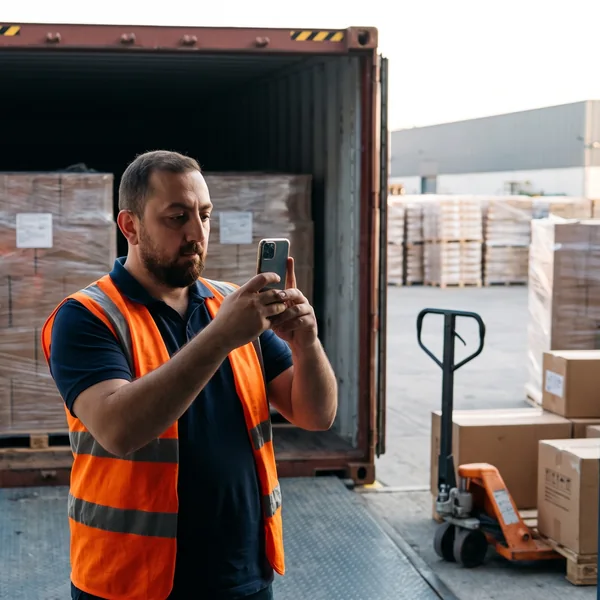
A sweet shop, a market stall, a cinema or a Turkish supermarket buys by the carton from a wholesaler; the wholesaler buys by the pallet from an importer or a trading house, or imports for itself; the importer brings the container into Rotterdam by sea or the trailer in by road. That is the link we quote: a food importer, a trading house or a wholesale house filling one mixed container from Gaziantep, each line on its own pallet, under the customs union paperwork.
Rotterdam and the shelf beyond it
Turkish confectionery already travels to the Netherlands in quantity, and much of it does not stay: the trading houses in Rotterdam and Amsterdam buy for the Dutch shelf and sell on to Germany, Belgium and further, with the label in the languages the shelf needs. The offer is written for that house: the pallet plan per line, the label languages you name, the A.TR certificate that clears the goods for the whole union, and the composite-product attestation for the dairy lines drawn up from our documents.
Chocolate shop Amsterdam is a shopper’s search, and the counters behind it, the gift shops and the Turkish supermarkets of the city, buy their boxes by the carton from the importer that brings the pallet in.
What the Dutch shelf wants from Türkiye
The Turkish supermarkets want the wrapped bar, the tablet, the wafer and the Turkish delight in our standard packs; the sweet shops and the cinemas want candy wholesale lines, jellies in bulk, wrapped pieces, sugared almonds by colour; the delicatessens and the chocolatiers want the pistachio end, the Dubai style bar with pistachio and kadayif, pistachio tablets and pistachio cream. The chocolate page, the confectionery page and the dragée page list each group.
Road or sea, and the reefer
A road trailer through Europe from Gaziantep or sea freight from Mersin to Rotterdam: both are quoted, and the offer states the route, the term and the transit. Chocolate and chocolate-coated lines are quoted in a reefer for the warm months; Turkish delight, sugared almonds and jellies travel dry. The mixed-container page explains how the load is built.
Price, and what is not printed here
The price per line in US dollars, the case count, the pallet plan and the tariff line are in the offer, not on a page, with what applies to the agricultural component under the customs union on the day; nothing that moves with the exchange rate or the season is printed on this site, so a wholesaler is never quoting from a number that has since moved.
What to send first
The lines from the chocolate page, the dragée page and the Turkish delight page, the quantity per line, whether you want the load by road or by sea to Rotterdam, and whether any line carries your own brand. The written offer follows within two working days, in US dollars and the A.TR paperwork listed; the samples page explains how to taste the lines first, and the Netherlands page lists what stays the same on every offer.
Every line here is made in our own factory at Başpınar OSB, Gaziantep — a 10,000 m² site, exporting since 2002 — and certificate copies are available on request.
Can a sweet shop or a Turkish supermarket buy directly from Türkiye?
The unit of sale is one full container or trailer. A shop buys by the carton from the wholesaler that imports it; a group that pools a load and is registered as a food business is quoted like an importer.
Can the label serve Germany and Belgium too?
Yes. The label content is prepared in Dutch with the languages you name, and the A.TR certificate clears the goods for the whole union.
Is the container a reefer?
For chocolate lines in the warm months, yes. Dry lines travel dry; a mixed load is quoted as the offer states.