Two languages, one artwork
The EU food information rules put the mandatory particulars in a language the buyer understands, and here that means French and German together: the name of the food, the ingredient list with allergens emphasised inside it, the net quantity, storage conditions, date marking and the batch code.
Doubling the text does not double the pack: one face carries both versions as two parallel ingredient blocks, sharing the same weight and date figures. What doubles is the proofing.
The content work is done once, then set twice
Both blocks come from one source: our technical specification for that line — ingredients in descending order, allergens identified, net weight, storage and the date format the plant prints.
So the second language is not a second project: the specification is read once per line and set twice on the pack. On private label the text is drafted from it and nothing goes to print without written approval — one approval round covering both blocks.
Two names that have to survive both translations
Two words cause most reprints, and a bilingual pack gives each two chances to go wrong. The first is the coating: a bar finished with a vegetable-fat glaze instead of cocoa butter cannot be labelled chocolate in the EU, in either language. The offer says per line which of the two an item carries.
The second is the jar. Enquiries ask for pistachio «paste»; useful wording in an enquiry, but on the pack it is a spread, not a cream, and not the 100 per cent pastry paste bought by the kilo for confectionery work. That grade sits outside the main range, sourced on request once composition and format are confirmed.
Whose name goes where
One field is not ours to fill. The pack names the operator first placing the food on the EU market — the importer. We make the line in our own factory and load it; neither belongs there.
Certificates work the same way: our food safety, halal and kosher certificates are issued for our factory and its lines. We name the certificates that apply to each item and send copies on request.
A.TR, the tariff line, and how the load is built
Türkiye and the EU sit inside a customs union, so the A.TR movement certificate travels with the load, issued against the invoice and packing list. Bars, lokum and gelled sweets do not sit under one heading, so the offer carries the customs tariff heading line by line: the quotation states what applies on the day it is issued.
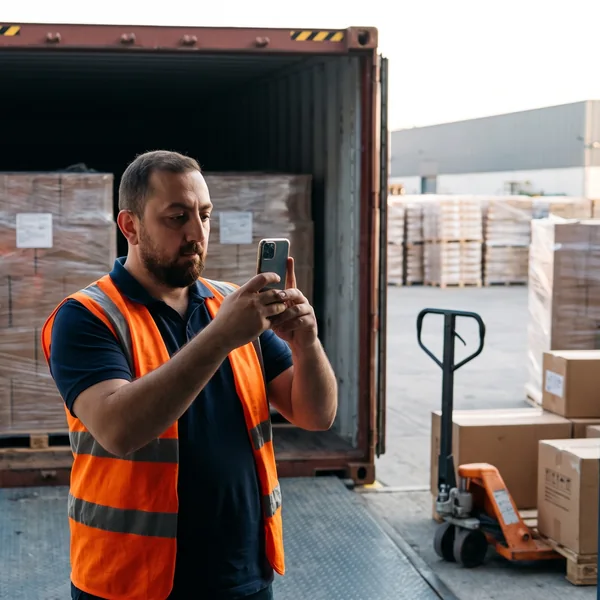
The minimum is set per line not per container, so a first order can carry six or seven items in measured quantities. Each line rides on its own pallet, under one packing list and one movement certificate: that is what makes a mixed container work.
Chocolate and chocolate-coated lines travel at +18/+20 °C; in hot months a refrigerated container is offered, and if a dry container is preferred the temperature risk passes to the buyer in writing, before loading. Lokum, sugared almonds and gelled sweets go dry all year.
What to send
Send the references you want quoted with a quantity against each, the pack format per line, whether the goods carry your brand or ours, the delivery address, and any label template already in use — including how the French and German blocks sit on it. If the loading month is warm, say so: that decides the container.
The written offer follows within two working days: technical specification, ingredients and allergens, net weight, carton and pallet data, minimum per line and tariff heading. Payment runs 50 per cent at order and 50 per cent before the container leaves, against loading photographs; the sequence is in how we work.
Do the mandatory particulars have to appear in both French and German?
Plan for both. The pack is built to carry them in French and German on one artwork, and the wording is signed off on the importer's side from our technical specification, ingredient and allergen data and net weight supplied per line.
Can the certificates be issued in our own company's name?
No. Food safety, halal and kosher certificates are issued for our factory, for its plant and itslines. We state line by line which certificates apply, and copies are available on request.
Is the jar the same thing as pistachio paste?
No. What travels is a spread for the retail shelf, not the 100 per cent pastry paste bought by the kilo for confectionery work. That grade is outside the main range and can be sourced on request after we confirm composition and format.