Cyrillic is set up at the start, not patched in later
Product name, ingredients and allergens, storage line and net weight are drawn from our technical specification for that line and written into Macedonian. Because the mandatory text is Cyrillic, the layout is built in that script from the first draft: font with the full character set, line breaks that behave, and space reserved where a Latin draft would have been shorter.
Artwork drawn in Latin and converted at the end is where the damage happens: clipped characters, a wrapped ingredient list, a storage line pushed off the panel.
Two names to settle before anything goes to print
Coating first. A shell is either chocolate or a cocoa glaze built on vegetable fat — and a glaze is not chocolate, so it is not named as chocolate on the pack, in Macedonian or any other language. The offer states which one applies, line by line, before the artwork is drawn.
Then the jar. What we supply is a spread — a spread, not a cream, and not a 100% pistachio pastry paste of the kind a bakery uses for filling and flavouring. That paste is outside the main range, supplied on request only with composition confirmed first. Buyers often ask usingthe pastry word; the label still has to say what is in the jar.
Whose name the certificates carry, and who files the declaration
Certificates are issued for our factory. We are not a certifying body: copies of our certificates are available on request, so your import file and your label reference the same document.
At the border the importer declares. Our side of that is documentary: per line the offer carries the specification, the declarable pack data and the customs tariff heading, and the quotation states what applies on the day it is issued. Private label follows the same discipline — the label is prepared from the technical specification and nothing goes to print without written approval.
The minimum is per line, not per container
The sales unit is a full container or a full truck; there is no part load. The minimum, though, is set per line and written into the offer — per line, not per container. That is what lets a first order carry six or seven items in measured quantities instead of a pallet wall of one reference.
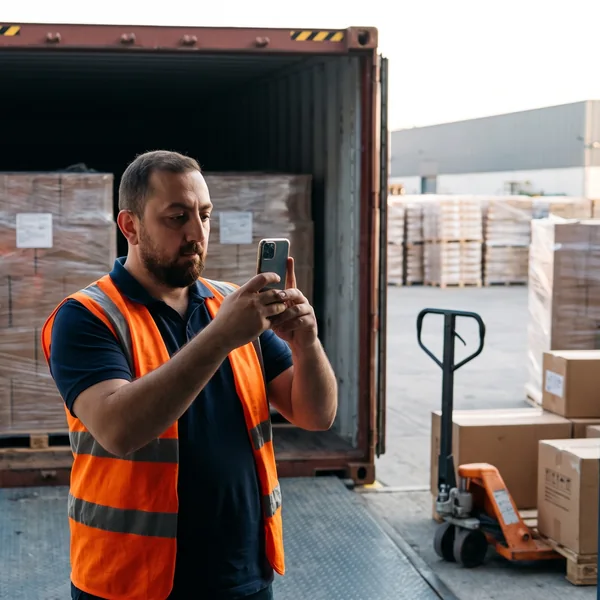
Each line travels on its own pallet, under one packing list and one set of shipping documents, so a mixed load stays countable at the far end and each item keeps its own artwork and minimum. How a load is built is on the mixed container page.
Temperature decides which lines share the load
Chocolate and chocolate-coated lines travel at +18/+20 °C, so in hot months a refrigerated container is what we quote. If a dry container is preferred anyway, the temperature risk passes to the buyer in writing, before loading — agreed at quotation stage, not after a pallet is opened.
Lokum, sugared almonds and dragée travel dry all year. So the chocolate lines set the regime for a mixed load and the dry lines fit inside it — which is why temperature belongs in the same conversation as the line list, not in the week before shipping.
What to send
Send the lines you want and roughly how much of each, the format per line — retail sales box, or bulk carton for a weigh-out counter — your coating preference where a line can be either, the company details for the pack, and the delivery city. Send any Cyrillic artwork file you already hold.
You get a written reply in two working days, line by line: technical specification, ingredients and allergens, net weight, case and pallet data, minimum per line, customs tariff heading. Payment is 50% at order and 50% before the container leaves, against loading photographs.
Does the label have to be in Macedonian Cyrillic?
The mandatory pack information is given in Macedonian, and Macedonian is written in Cyrillic — so the artwork is built in that script from the start rather than converted at the end. Practically that means a font with the full character set, line breaks checked in Cyrillic, and panel space reserved for text that runs longer than a Latin draft. The wording itself comes from our technical specification for that line, and nothing is printed without written approval.
Who is responsible for the import declaration?
The importer. North Macedonia is not in the European Union, so the country’s own food and customs rules apply and the importer files the declaration and answers for compliance. Our part is documentary: per line we supply the technical specification, ingredients and allergens, net weight, case and pallet data and the customs tariff heading, and the quotation states what applies on the day it is issued.
Can a vegetable fat coating be called chocolate on the pack?
No. A cocoa glaze built on vegetable fat is not chocolate, so it is not named as chocolate on the label. The offer states per line whether the shell is chocolate or a glaze, and that is settled before the artwork is drawn — a naming correction after a print run is paid for twice.