The scale is real, and one line will not fill a box
Türkiye sits eighteenth in Estonian chocolate on 1.17 per cent and thirteenth in sugar confectionery on 1.72 per cent. No framing turns those into volume. Neither says which step of the shelf the goods occupy: Turkish chocolate crosses in at about 12.04 dollars a kilo against a Turkish world average near 5.57.
That end never moves pallet-deep, and the selling unit does not bend: a full container or a full truck, no part loads. What matters is what goes inside it.
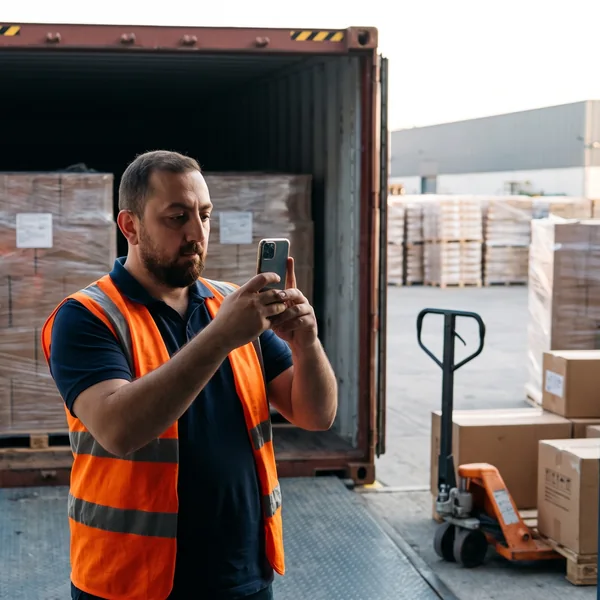
How a mixed container is actually built
A mixed load is not a box with everything tipped in. Each line rides on its own pallet, with its own case data, under a single packing list and a single movement certificate.
The load is organised by temperature group: chocolate on the cool side, the dry lines — lokum, dragées, gelled sweets — filling out the rest. Formats are settled in the same pass, since a bulk case stacks differently from a retail box.
The minimum is per line, not per container
The arithmetic changes here: the minimum is set per line and written into the quotation — not per container. A first order clears three or four modest thresholds instead of one enormous one.
It works because the box is not filled by one buyer: your lines travel in the same load as lines running in our standard packs. Selected lines can carry your own label after our confirmation, drawn from the technical specification; nothing goes to print without written approval.
What a modest first list carries
A first list here is specific: lokum with whole pistachio, double-roasted lokum and the kadayıf-filled lines, bulk or in retail boxes. The Dubai-style bar with pistachio and kadayıf. Chocolate dragées and sugared almonds sorted by colour and calibre. Gelled sweets in bulk cases for weigh-out counters. And pistachio spread in jars.
The jar is often searched for as a paste or a cream: what ships is a spread, not a 100 per cent pâtisserie paste — for a pastry ingredient, composition is confirmed first. Oncoated lines the offer states whether the coating is chocolate or a cocoa glaze: a vegetable-fat coating cannot be labelled chocolate in the EU. Couverture and raw nuts sit outside the main range, supplied on request.
Temperature, and which month you load
Chocolate and chocolate-coated goods travel at +18 to +20 °C. In the hot months a refrigerated container is offered; if a dry one is preferred anyway, that risk passes to the buyer in writing, before loading.
Lokum, dragées and gelled sweets go dry all year, which gives a small first order a lever: build it around the season. A load leaving in the cool months can carry chocolate dry; a summer load leans on the dry references or goes conditioned.
A.TR, the Estonian label, and what to send
Estonia is an EU member inside the customs union with Türkiye, so processed food travels under an A.TR movement certificate. On duty, the quotation states what applies on the day, against the tariff position for each line. On the pack, mandatory particulars appear in Estonian, and the company first placing the goods on the EU market is named there — in practice the importer. Certificates stand for our factory; copies are available on request.
What to send: the lines, a quantity and format against each, the destination port and the loading month. The written quotation follows within two working days — technical specification, ingredients and allergens, net weight, case and pallet data, minimum, tariff position. Payment is 50 per cent at order and 50 before the container leaves, against loading photographs.
Our market is small. Can we realistically take a whole container?
Yes, provided you stop thinking of it as one product. The selling unit is a full container or a full truck, but the minimum is set per line and written into the quotation — not per container.Three or four lines in measured quantity can clear their own minimums and travel together, in the same load as lines running in our standard packs.
Is the pistachio product in jars a pâtisserie paste?
No. It is sold as a spread, whatever term it is searched under, and it is not a 100 per cent pâtisserie paste. If you need a pastry ingredient rather than a jar for retail, say so at the enquiry stage: composition and format are confirmed before a quotation is written.
Whose name goes on the Estonian label?
Mandatory particulars appear in Estonian, and the company first placing the goods on the EU market is named on the pack — in practice the importer. Ingredients and allergens come from our technical specification. Certificates are held for our factory; copies are available on request.