The customs frame, and why no rate appears here
Estonia is an EU member, and processed confectionery from Türkiye moves under the EU–Türkiye customs union. The document travelling with the load is the A.TR movement certificate, issued for that shipment and matched to the invoice and packing list.
The written offer carries the customs tariff heading line by line, because a load of filled bars, lokum and gelled sweets does not sit under one heading. What is charged against those headings is read by your broker at clearance: the quotation states what applies on the day it is issued.
What leaves the supplier side
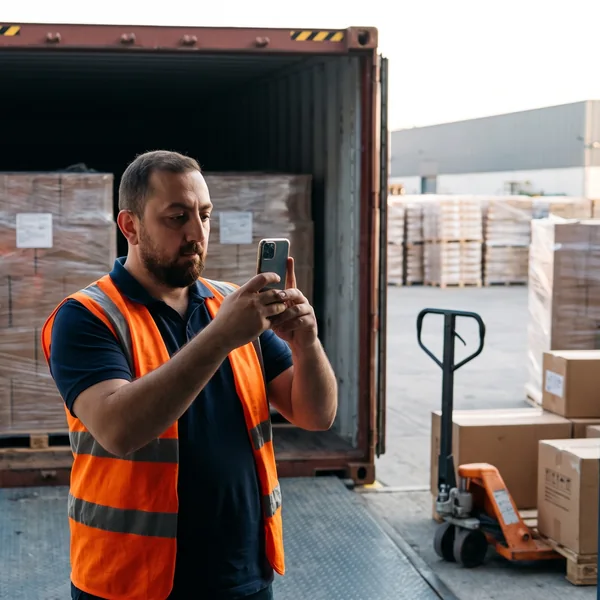
Per line, in writing: our technical specification; the ingredient list with allergens identified; the net weight; and the batch analysis report for the lot actually loaded rather than a standing one. With the goods travel the commercial invoice, a packing list built pallet by pallet — each line on its own pallet — and the tariff heading proposed for every item.
Where a producer holds food safety, halal or kosher certification, copies join the same file. That is the whole supplier-side bundle: everything the Estonian side has to produce is built out of these documents.
Certificates stand for our factory
We make and export from Gaziantep; the lines are made in our factory and loaded into one container. Certification follows the plant, not the trader. Each certificate is issued for our factory, for that facility and those lines, with its own scope and validity.
So the answer to «are you certified» is a list rather than a claim: we name the certificates held for our factory and send copies on request. Nothing is reissued on a trading company's letterhead.
The importer's side: the name on the pack
Under the EU food information rules the mandatory particulars must reach the consumer in a language they understand — on the Estonian shelf, in Estonian: the name of the food, the ingredients with allergens emphasised within the list, the net quantity, storage and use conditions, the batch marking, and the company under whose name the food is marketed.
That last field belongs to the operator first placing the goods on the EU market — the importer, not the exporter. We make the line in our own factory and load it; neither can stand in that field. The customs declaration sits on the same side.
Two names to check before the print run
Two names cause most reprints. The first is the coating: where a bar is covered in a vegetable-fat glaze instead of cocoa butter, it cannot be labelled chocolate in the EU. The specification states per line which one that item carries, and the pack text follows the specification, never the sales description.
The second is the jar. Buyers search for pistachio «paste», and the word is worth using in an enquiry — but the name on the pack is spread, not cream, and it is not the 100 per cent pastry paste bought by the kilo. It sits outside the main range and is sourced on request, once composition and format are confirmed.
Private label, and what to send
On private label the pack and the label content change, so the text is drafted from our technical specification and returned to you. Nothing goes to print without written approval — not artwork, not an ingredient line, not a claim — and the lead time runs from that approval. The minimum stays per line, written into the offer, not per container, so a mixed container multiplies the label work by line, not the minimum.
Send the references you want quoted with a quantity against each, the pack format per line, whether the goods carry your brand or ours, the delivery address or port, and any label template you use. The written offer follows within two working days: specification, ingredients and allergens, net weight, carton and pallet data, minimum and tariff heading.
Which language do the mandatory particulars have to be in?
Estonian, for goods sold on the Estonian market. The text is drafted and approved on the importer's side, from our technical specification, ingredient and allergen data and net weight that we supply line by line.
Can the certificates be issued in our company's name?
No. Food safety, halal and kosher certificates are issued for our factory, for its plant and itslines. We state line by line which certificates apply, and copies are available on request.
Is the jar the same thing as pistachio paste?
No. What we supply is a spread for the retail shelf — spread, not cream — and not the 100 per cent pastry paste bought by the kilo for confectionery work. That grade is outside the main range and can be sourced on request after we confirm composition and format.