The strength: pistachio and filled products
Where Turkish chocolate is genuinely hard to beat is in filled and pistachio products: pistachio tablets, pistachio-cream bars, the Dubai-style kadayif bar, pistachio spreads, and coated pistachio dragées. The nut is grown here, the pastes are made here, and the plants have run these products for years. A US buyer comparing pistachio chocolate will find the Gaziantep product competitive on taste and on price, because the most expensive ingredient does not travel.
The caveat: chocolate or compound
Turkish plants make both real chocolate and compound-coated products. Compound uses vegetable fat instead of cocoa butter; it is cheaper and more heat-tolerant, and it is not chocolate under most labelling rules. Neither is wrong, but they are different products at different prices, and a buyer who does not ask will compare the wrong pair. On this site the chocolate page keeps compound products in a separate group with an open statement.
Turkish chocolate brands, or your own
US searches for Turkish chocolate brands usually come from consumers who met a bar in an ethnic grocery. For an importer the question is different: carry our standard pack, or put your own brand on it. Most lines on this site are available in our standard packs; on selected lines the same product can be made under yours, as one of our core services. Both routes come from the same plants.
How to check quality before you commit
- Samples from running production, not a lab. The samples page explains the rule: free of charge, courier at your cost.
- The technical data sheet for every line: ingredients, allergens, shelf life. It comes with the quotation.
- Our certificates, for our factory, with the holder named per line.
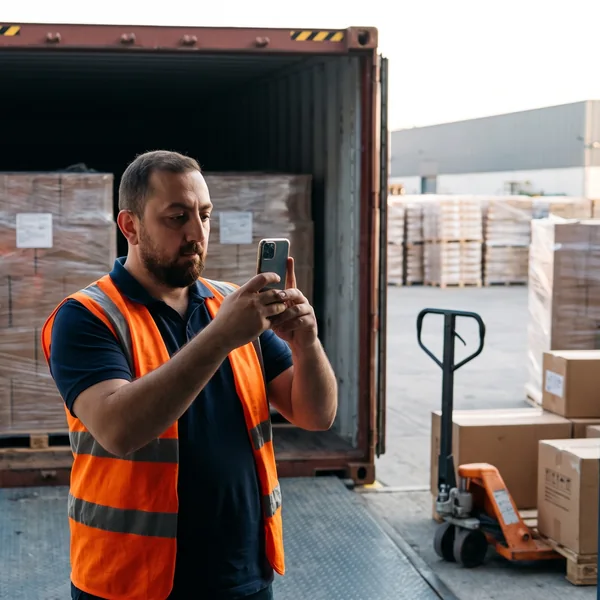
- Loading photographs, pallet by pallet, before the doors close.
Where Turkish chocolate sits in a US range
The realistic place is the specialty and ethnic shelf first, then the private-label range of a retailer that wants a pistachio line. It competes on pistachio and filled products, on Turkish delight and dragées sold alongside, and on the fact that one container carries all of them. It does not compete with a domestic mass-market bar on price per plain tablet; nobody should pretend otherwise. A distributor who reads it that way builds a Turkish range that sells, instead of a single bar that has to fight the checkout aisle.
What the US label will say
The label is in English, with the nine major allergens declared and a nutrition panel. US standards of identity define what may be called milk chocolate; a product that does not meet them is named differently on the pack. For private label this is checked before printing; for lines in our standard packs the English label is ours. The United States page has the rest.
How to start
Start with the chocolate page: pick the lines, say how many and name the port. The written offer follows within two working days and states what each line weighs by the carton and what the minimum is.
Tasting first is normal — samples are free from running production, you cover the courier. The united states: what stays the same on every offer page lists what stays the same on every offer, and the private label for us brands page covers putting your own name on the pack.
Is Turkish chocolate real chocolate?
Much of it is; some of it is compound-coated. The offer and the technical sheet state which, per product.
Why is pistachio chocolate from Türkiye cheaper?
The pistachio is grown around Gaziantep, so the most expensive ingredient does not cross a border before it reaches the plant.
Can we taste before ordering?
Yes. Samples are free of charge from our running production; you cover the courier.