The origin needs no introduction
In sugar confectionery Turkey is the second supplier into Montenegro, at 10.41%. In chocolate the picture is different: fifteenth place, 0.99%, at an average of 7.89 $/kg. Read together, those figures are useful. Turkish sugar confectionery already moves here, so nobody has to be persuaded that the category works. Chocolate is where the room is — room measured in pallets, not in a national campaign.
Searched demand is thin: around 1,450 queries a month across the whole subject. We would rather say that plainly. This market is not won with a website. It is won in a quotation that answers a buyer's questions line by line.
The minimum is per line, not per container
The selling unit is a full container or a full truck; there is no groupage. But the minimum is set per line who makes that line, and it is written into the quotation. It is not a minimum per container.
That single distinction is what makes a first shipment to a market this size workable. Six or seven items can travel together in measured quantities, instead of one item in a quantity nobody can sell through. Each line rides on its own pallet, under one packing list and one set of shipping documents.
Temperature decides how the load is built
Chocolate and chocolate-coated products travel at +18/+20 °C. In the hot months a refrigerated container is quoted. If a dry container is preferred anyway, the temperature risk passes to the buyer in writing, before loading — not by custom, not on the phone.
Turkish delight, sugared almonds and jelly lines go dry all year. So a mixed load can be planned two ways: an all-dry container built in summer from the lines that tolerate it, or a reefer that carries everything, coated items included.
Two naming questions that change the label
The pistachio jar is a spread, not a cream — and not a pâtisserie paste. Buyers sometimes look for it under a pastry name, and it is worth correcting early: a pastry kitchen expecting a 100% filling paste will be disappointed, while a retail buyer stocking a spread will not.
The second question is the coating. Where a coating is made with vegetable fat, it cannot be named chocolate on the label. The quotation states, line by line, whether a coating is real chocolate or a cocoa glaze, so the importer writes the label from fact rather than from a product photo.
Outside the EU: the importer declares
Montenegro applies its own food and customs rules, and the importer files the declaration. Our job is to supply what that filing needs: the customs tariff heading per line, the technical specification, ingredients and allergens, net weight, carton and pallet data.
Certificates are issued for our factory. Copies are available on request. On duty, the quotation states what applies on the day it is issued.
What to send
A useful first message is short. Name the lines you want quoted — chocolate and filled bars, dragées and sugared almonds, coated nuts and fruit centres, Turkish delight in bulk or in retail boxes, jelly and popping candy in bulk cartons for weigh-out shelves, pistachio spread in jars — and say whether each is for retail packs, bulk, or private label.
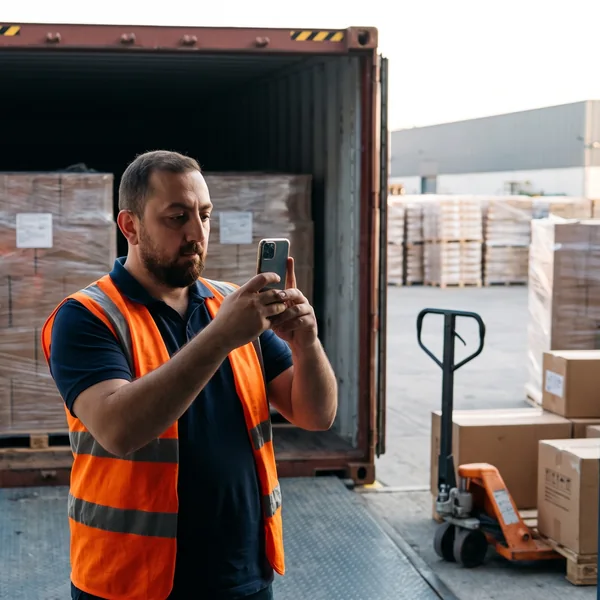
Add the month you want to land in, your preference on dry or refrigerated, and whether you want one line deep or a mixed container. A written quotation follows within two working days; payment is 50% at order and 50% before the container leaves, against loading photographs.
Do we have to fill a container with one product?
No. The minimum is set per line and written in the quotation, so one container can carrysix or seven lines in measured quantities.
Can chocolate ship in a dry container in summer?
It can, but chocolate and coated lines travel at +18/+20 °C. If a dry container is chosen in the hot months, the temperature risk passes to the buyer in writing before loading.
Whose name is on the certificates?
The producer's. Each line is made in our own factory, and the certificates are issued for our factory; copies are available on request.