Private label or white label, first
Your name on a product the producer already makes is white label. A recipe, weight or pack chosen for you is private label. The words overlap in daily use and the Canadian label does not care which one you meant: both need the same content in both languages. What changes is the minimum and the lead time, which is set per line. The Canadian private label page lists the formats.
Step one: the data sheet
Every line on the label comes from our technical data sheet: ingredients in descending order, allergens, the nutrition values, shelf life and storage, and the product name the recipe is entitled to. Nothing is written from memory or copied from a competitor’s pack. The sheet comes with the quotation, before any artwork exists.
Step two: the bilingual content
We prepare the mandatory text in English and French: the common name, the ingredient list with priority allergens declared, the nutrition facts table in the Canadian format, the net quantity in metric units, and the name and address of the party in Canada responsible for the product, which is usually the importer or the brand. Storage and best-before wording follow the data sheet. You place the content in your artwork; your own French copy, if you have it, is checked against ours.
Step three: product names
Canadian food regulations define names such as milk chocolate and sweet chocolate. A compound coating, cocoa with vegetable fat instead of cocoa butter, cannot be called chocolate on the pack. The name on your artwork is checked against the recipe on the data sheet, so a pistachio tablet is sold as what it is. The chocolate or compound article explains the difference.
Step four: artwork approval
You send the artwork, we check it against the label content and you approve the final version in writing. Nothing is printed before that, and a change after approval is a new approval. This is the step that protects both sides: the pack that lands in Montreal is the pack you signed.
Step five: production and the container
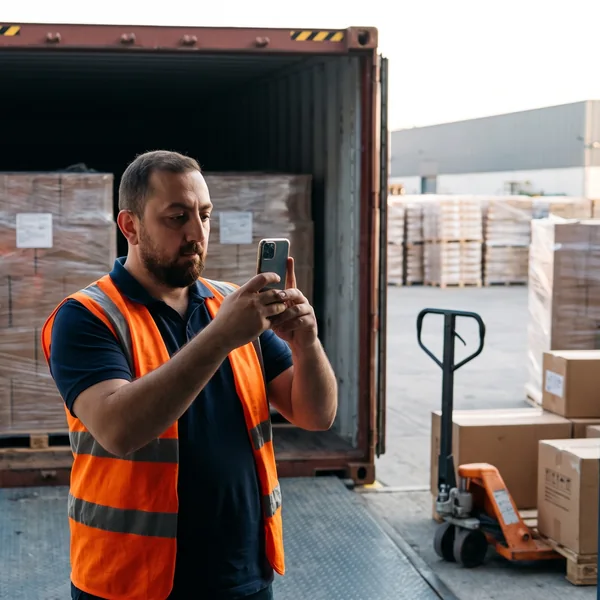
We run the line at the minimum stated in the offer; we check and photograph the pallets. A private-label line can share the container with lines in our standard packs, each on its own pallet, so a first order is a mixed container rather than one product in bulk. The container leaves Mersin with the document set for the Canadian entry, and the importer’s licence file carries our data sheet and certificates from the same offer.
What to send
Send the references from the chocolate page, the quantity per line and the destination port. The written offer follows within two working days, the case weight and the minimum stated for each.
Samples come free from our running production; the courier is on your account and paid before dispatch. The canada: what stays the same on every offer page lists what stays the same on every offer, and the private label for canadian brands page covers putting your own name on the pack.
Who is responsible for the label being correct?
The importer or brand is the responsible party in Canada. We prepare the content from our data sheet and check the artwork; you approve it in writing.
Can a compound product be called chocolate in Canada?
No. Names such as milk chocolate are defined; a compound coating is named as such. We check the name against the recipe before printing.
Can one container carry private-label and lines in our standard packs?
Yes. Each line travels on its own pallet, and the minimum per line is stated in the offer.